You Won’t Believe What Panama City’s Culture Scene Is Hiding
Panama City isn’t just skyscrapers and financial hubs—it’s a cultural heartbeat waiting to be felt. I went looking for history and found soul-stirring music, vibrant street art, and traditions alive in every corner. From colonial plazas to buzzing local theaters, the city surprised me at every turn. This isn’t just tourism; it’s connection. If you think you know Panama City, think again—its cultural venues are quietly redefining what it means to experience Central America.
First Impressions: The Unexpected Soul of a Modern Capital
Arriving in Panama City, many travelers are struck by its skyline—a glittering row of glass towers that signal economic ambition and global connectivity. It's easy to assume this is a city built for business, finance, and transit. Yet beneath the surface of modernity lies a rich cultural current, one that pulses through narrow alleyways, drifts from open-air patios, and echoes in the rhythms of everyday life. The contrast is not a contradiction but a harmony. Panama City thrives on duality: it is both forward-looking and deeply rooted, cosmopolitan yet proudly local. This balance is what gives the city its unique character and makes its cultural offerings all the more rewarding for those willing to look beyond the surface.
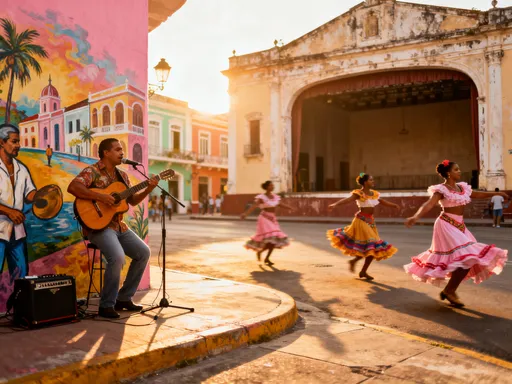
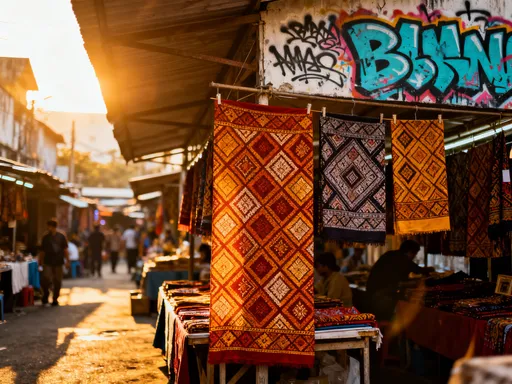
From the moment you step into the historic district of Casco Viejo, the cultural soul of the city becomes apparent. Music spills from hidden courtyards—sometimes the lilting melodies of típico, sometimes the energetic beats of salsa or reggaeton. Murals stretch across weathered colonial walls, telling stories of resistance, identity, and celebration. Street vendors sell handmade crafts alongside modern art prints, and the scent of fresh coffee mingles with the sea breeze. These sensory details are not staged for tourists; they are part of the living fabric of the city. For visitors, especially women between 30 and 55 who seek meaningful travel experiences, this authenticity is deeply resonant. It offers a chance to connect not just with a place, but with its people and traditions.
What makes Panama City truly special is how seamlessly it blends global influences with local pride. As a hub of international trade and diplomacy, it welcomes diverse cultures, yet it does not lose itself in the process. Instead, it absorbs and transforms, creating something uniquely Panamanian. This cultural confidence is evident in the way locals speak of their heritage—with warmth, humor, and a sense of ownership. For travelers, this means more than just seeing sights; it means being invited into a conversation, a shared experience that feels personal and genuine. The city does not perform culture; it lives it.
Walking Through History: Casco Viejo as a Living Cultural Stage
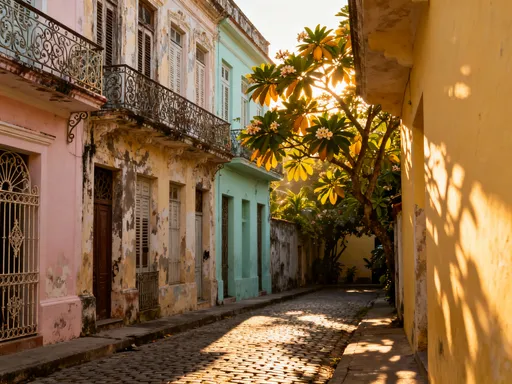
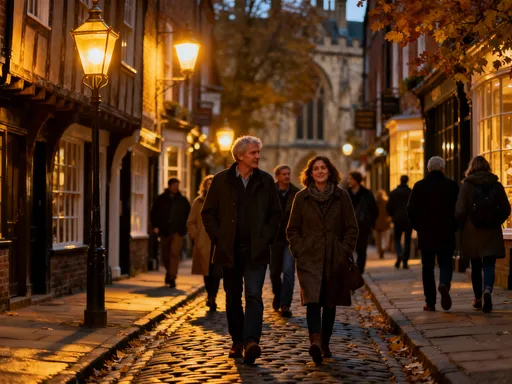
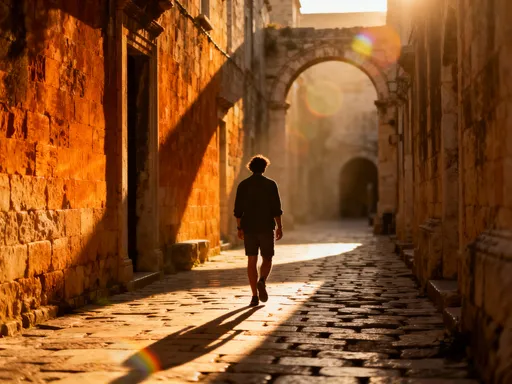
Casco Viejo, the historic heart of Panama City, is not a museum frozen in time. It is a dynamic neighborhood where history and modernity coexist in vibrant dialogue. Designated a UNESCO World Heritage site, this district was rebuilt in the late 17th century after the original city was destroyed by fire. Today, its cobblestone streets, pastel-colored buildings, and shaded plazas serve as a stage for daily cultural expression. Walking through Casco Viejo is like stepping into a living story—one where every corner holds a performance, an exhibit, or a quiet moment of connection.
At the center of it all is Plaza de la Independencia, a grand square surrounded by restored colonial architecture. This is where locals gather for festivals, where musicians play on weekends, and where children run freely under the watchful eyes of elders. The plaza is more than a public space; it is a symbol of national pride and community resilience. Nearby, the Teatro Nacional stands as a testament to Panama’s artistic legacy. Though smaller than grand European opera houses, its ornate façade and intimate interior reflect a deep commitment to the performing arts. Just across the way, restored churches like La Merced and San José host art exhibitions and choral performances, transforming sacred spaces into cultural hubs.
But the true magic of Casco Viejo lies in its everyday moments. A café tucked into a courtyard might feature live jazz on Thursday nights. A boutique gallery could display paintings by local artists inspired by Afro-Caribbean traditions. Even a simple stroll along Calle del Rey reveals layers of history—wrought-iron balconies, hand-painted signs, and the occasional glimpse of a traditional pollera being worn with pride. These experiences are not confined to scheduled events; they unfold naturally, inviting travelers to slow down and absorb the rhythm of the city. For women seeking travel that nourishes the spirit, Casco Viejo offers a rare blend of beauty, history, and authenticity.
Teatro Nacional: Where Elegance Meets Everyday Art
Standing proudly in Casco Viejo, the Teatro Nacional de Panamá is more than a building—it is a symbol of national identity and artistic excellence. Opened in 1908, this historic theater was once the cultural centerpiece for Panama’s elite. Today, it remains a vital venue for both classical and contemporary performances, welcoming everyone from schoolchildren on field trips to international visitors. Its architecture reflects a blend of French and Spanish influences, with intricate woodwork, stained glass, and a ceiling painted with allegorical scenes of music and drama. Stepping inside feels like entering a different era, one where art was celebrated as essential to public life.
What sets the Teatro Nacional apart is its accessibility. Unlike many grand theaters in Latin America that feel exclusive or reserved for special occasions, this one is alive with regular programming. From symphony concerts and ballet performances to traditional Panamanian folk dance, the stage hosts a diverse range of artistic expressions. Attending a performance here is not just entertainment; it is an immersion into the country’s cultural values. The way a dancer moves, the way a violinist draws a bow, the way an audience responds—all speak to a deep respect for artistry and heritage. For visitors, especially those interested in the emotional depth of a culture, this is a transformative experience.
One of the most powerful moments for a traveler might be witnessing a performance of the national dance, the tamborito. Rooted in African, Spanish, and Indigenous traditions, this rhythmic, communal dance is often performed during festivals and patriotic events. When it takes place on the stage of the Teatro Nacional, it becomes a celebration of Panama’s multicultural identity. The drumming, the call-and-response singing, the swirling skirts—all create a sense of unity and pride. It is not difficult to feel moved, even if you’ve never seen the dance before. This is the power of live performance: it transcends language and background, creating shared emotion. For women who value connection and meaning in their travels, such moments are unforgettable.
Street Culture Alive: Murals, Music, and Local Expression
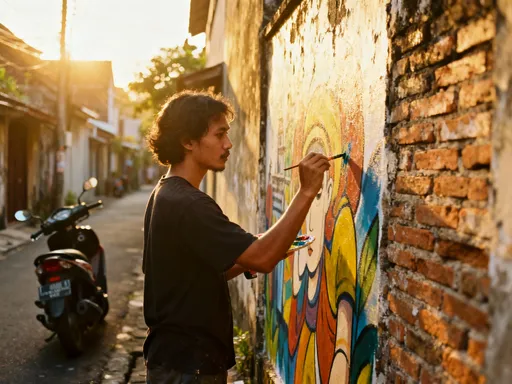
While formal venues like theaters and museums play a crucial role in Panama City’s cultural landscape, some of the most vibrant expressions happen in the streets. Neighborhoods like San Felipe, Chorrillo, and parts of Calidonia have become open-air galleries where murals tell stories of struggle, joy, and identity. These works are not mere decorations; they are acts of storytelling, often created by local artists who use their craft to reflect social realities. From portraits of national heroes to abstract representations of migration and resilience, the murals invite viewers to pause and reflect. They are especially meaningful for travelers who seek to understand the deeper currents of a society.
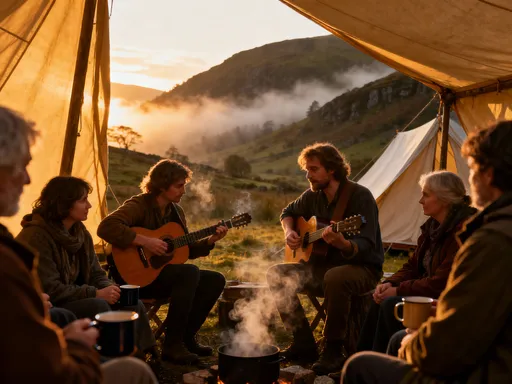
Music, too, is an inseparable part of the city’s street culture. In parks and plazas, you’ll find impromptu jam sessions where musicians gather to play salsa, jazz, or reggaeton. These gatherings are not performances for tips; they are communal acts of creativity. Locals join in, dancing or singing along, creating a sense of shared ownership over the music. In some neighborhoods, you might hear the accordion and drums of típico, a traditional genre that remains popular in rural and urban areas alike. The sound is unmistakable—lively, rhythmic, and deeply rooted in Panamanian life. For women who appreciate music as a form of emotional expression, these moments offer a direct line to the soul of the city.
What makes street culture so powerful is its inclusivity. Unlike formal events that may require tickets or dress codes, these expressions are open to all. A mother walking her child, a vendor closing his stall, a tourist with a camera—they all become part of the scene. This accessibility reflects a broader truth about Panama City: culture is not something to be observed from a distance; it is lived, shared, and constantly evolving. By engaging with street art and music, travelers move beyond the role of spectator and become participants in the cultural flow. This shift—from watching to connecting—is what transforms a visit into a meaningful experience.
Museums That Speak: From Pre-Columbian Roots to Modern Identity
Panama City’s museums offer more than historical facts; they provide emotional narratives that help visitors understand the nation’s journey. Among the most moving is the Museum of the Interoceanic Canal, located in a striking modern building near the entrance of the old city. Far from being a dry technical exhibit, this museum tells the human story behind one of the world’s greatest engineering feats. Through personal letters, photographs, and interactive displays, it honors the laborers—many of them Afro-Caribbean—who risked their lives to build the canal. The experience is both educational and deeply humbling, reminding visitors of the sacrifices that shaped modern Panama.
Equally compelling is the Panama Museum of Contemporary Art (MAC Panama), housed in a beautifully restored historic building. Unlike traditional museums that focus on the past, MAC Panama engages with the present. Its exhibitions often explore themes of identity, migration, and social justice, reflecting the concerns of a rapidly changing society. Works by Panamanian and regional artists challenge viewers to think critically about culture, politics, and the environment. For women who value thoughtful, reflective travel, these exhibits offer a space for quiet contemplation and deeper understanding.
What unites these museums is their approach to curation—not as a display of objects, but as a conversation with the public. Labels are written in clear, accessible language. Interactive elements encourage engagement, especially for younger visitors. Guided tours, often led by passionate local educators, add personal insight and warmth. These details matter because they make culture feel approachable, not intimidating. They signal that the museum is not just for scholars, but for anyone curious about the world. In a city that balances tradition and modernity, such institutions play a vital role in helping both locals and travelers make sense of the past and imagine the future.
Beyond the Center: Hidden Cultural Gems in Peripheral Neighborhoods
While Casco Viejo and the city center draw the most attention, some of Panama City’s most authentic cultural experiences lie in its peripheral neighborhoods. Areas like Río Abajo, Curundú, and 24 de Diciembre may not appear on every tourist map, but they are where traditions are preserved and community life thrives. These neighborhoods host local festivals, dance schools, and neighborhood theaters that keep Panamanian culture alive in its most genuine form. For travelers willing to venture beyond the usual routes, these spaces offer a rare glimpse into daily life and cultural continuity.
In Río Abajo, for example, community centers often organize events during national holidays, where families gather to dance, eat traditional foods, and celebrate together. The atmosphere is warm and welcoming, with little commercialization. Children learn folk dances from elders, and music fills the air from morning until night. Similarly, in Curundú, local artists run workshops in painting, music, and theater, often supported by nonprofit organizations. These initiatives are not tourist attractions; they are grassroots efforts to sustain culture in the face of urban change. Visiting them requires respect and humility, but the rewards are profound.
Responsible visitation is key. Travelers should approach these spaces not as spectators, but as respectful guests. This means asking permission before taking photos, supporting local vendors, and listening more than speaking. When done with care, such visits can lead to genuine exchanges—sharing a meal, learning a dance step, or simply exchanging smiles. These small moments build bridges and deepen understanding. For women who seek travel that is both enriching and ethical, these experiences offer a model of how tourism can be a force for connection rather than exploitation.
Planning Your Cultural Journey: Timing, Access, and Meaningful Engagement
To fully experience Panama City’s cultural richness, timing and preparation matter. The best moments often align with festivals that animate the city with music, dance, and color. Carnaval, held in February or March, is one of the most vibrant celebrations, featuring parades, traditional costumes, and nonstop music. While it draws crowds, it also offers an authentic expression of Panamanian joy and creativity. The International Jazz Festival in April brings world-class musicians to intimate venues, creating a sophisticated yet accessible atmosphere. Other events, like the Festival de la Pollera in September, celebrate national dress and folk traditions, offering a deep dive into cultural pride.
Practical considerations can enhance the experience. Public transportation, including the modern Metro and bus system, makes it easy to move between neighborhoods. Taxis and ride-sharing apps are widely available and affordable. For those unfamiliar with Spanish, many cultural venues offer brochures or audio guides in English, and guided tours can provide valuable context. Local tour operators often specialize in cultural itineraries, led by knowledgeable guides who can share stories and insights not found in guidebooks. These tours can be especially valuable for solo travelers or small groups seeking a deeper connection.
But beyond logistics, the most important factor is mindset. To truly engage with Panama City’s culture, one must approach it with curiosity, openness, and respect. This means slowing down, listening to locals, and being willing to step outside comfort zones. It means choosing experiences that prioritize people over photos, connection over convenience. When travelers do this, they move beyond sightseeing and enter the realm of cultural exchange. They don’t just see Panama City—they begin to feel it.
Panama City’s cultural venues aren’t just stops on a map—they’re invitations to listen, feel, and connect. This city proves that modernity and heritage don’t compete; they dance together. By stepping into its theaters, plazas, and streets with curiosity and respect, travelers don’t just see Panama—they begin to understand it. The real journey starts when we look past the skyline and into the soul.