Penang’s Hidden Architectural Gems You’ve Never Seen—But Absolutely Must
Wandering through Penang feels like flipping through a living history book written in brick, paint, and tropical light. The island’s architecture isn’t just beautiful—it tells stories of traders, settlers, and cultures blending over centuries. From colonial facades to ornate temples, every corner offers a photo-worthy moment. I was stunned by how much character lives in the details: carved balustrades, rainbow-colored shophouses, and silent courtyards drenched in nostalgia. This is more than sightseeing—it’s visual storytelling at its finest. Penang’s built environment captures the soul of a place where East met West long before globalization became a term. Its streets whisper tales of spice merchants, colonial administrators, and generations of artisans who shaped a unique architectural identity. For travelers seeking depth, beauty, and authenticity, Penang’s hidden architectural gems offer an unparalleled journey through time, light, and culture.
The Heartbeat of George Town: UNESCO Heritage Streetscapes
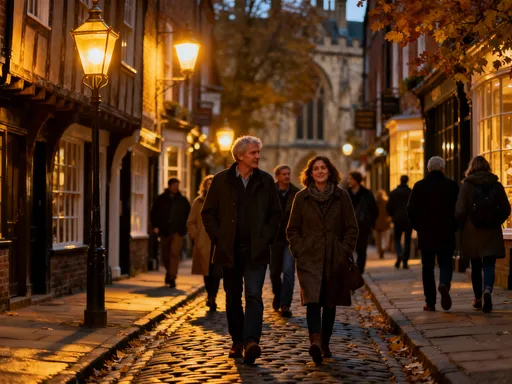
At the core of Penang’s architectural allure lies George Town, a UNESCO World Heritage Site inscribed in 2008 for its exceptional blend of cultural influences expressed through urban form and building design. The city’s historic center is a carefully layered tapestry where colonial administration, Chinese entrepreneurship, Indian craftsmanship, and Malay traditions converged. Walking its narrow lanes is akin to traversing centuries in a single afternoon. Streets such as Armenian Street, Acheen Street, and Chulia Street are lined with rows of 19th-century shophouses that exemplify the Straits Eclectic style—a unique fusion of European structural forms with Asian decorative elements. These buildings typically feature five-foot ways, or covered walkways, originally designed to protect pedestrians from sun and rain, now serving as shaded promenades for café seating and street art viewing.
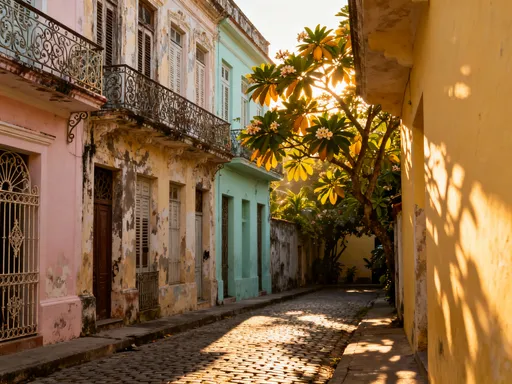
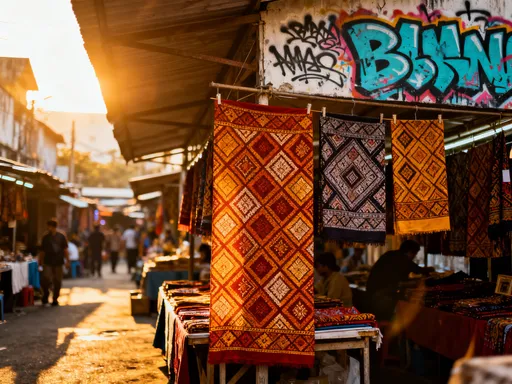
Architectural styles vary subtly from block to block, reflecting the origins and professions of early residents. On Armenian Street, one finds delicate Neoclassical touches—pilasters, cornices, and symmetrical facades—on buildings once occupied by Armenian merchants. A few blocks away, Acheen Street reveals Islamic influences in pointed arches and calligraphic motifs, remnants of its historic Muslim trading community. Baroque flourishes appear in scrolled ironwork and ornamental plaster, particularly on former merchant homes where wealth was displayed through architectural grandeur. What makes these streetscapes truly remarkable is not just their preservation but their continued vitality. These are not museum pieces frozen in time; they are lived-in spaces where heritage shops, family-run eateries, and art galleries thrive beneath peeling pastel walls.
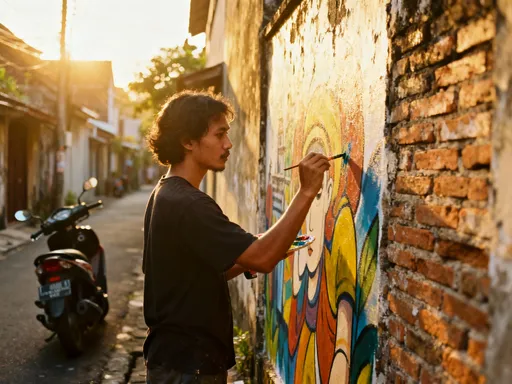
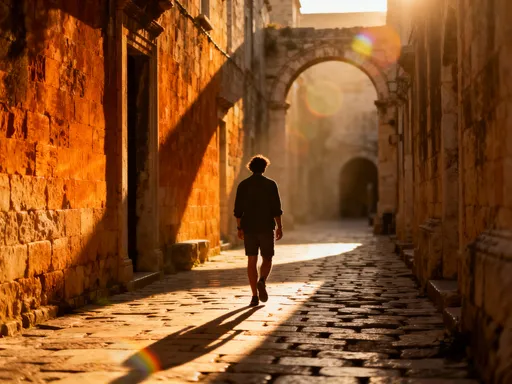
For photography, the golden hours—shortly after sunrise and before sunset—transform George Town into a painter’s canvas. The low-angle sunlight enhances textures, casting long shadows across weathered stucco and illuminating intricate carvings in warm hues. Early mornings also offer the advantage of fewer crowds, allowing unobstructed shots of entire street facades. Equally compelling are the heritage murals scattered throughout the city, many painted by Lithuanian artist Ernest Zacharevic. These larger-than-life artworks, such as “Children on a Bicycle” or “Boy on a Motorcycle,” interact playfully with their architectural surroundings, creating dynamic compositions that blend history with contemporary street culture. Together, the buildings and murals form a dialogue between past and present, making George Town not just a destination, but a living archive of collective memory.
Rainbow Rows and Secret Courtyards: The Charm of Clan Jetties
Extending into the waters of Weld Quay are the Clan Jetties, a series of wooden settlements built on stilts by Chinese immigrant communities in the 19th century. Among them, Chew Jetty is the most visited and visually striking, a village suspended between land and sea where generations of descendants still live. The architecture here is both functional and symbolic, shaped by necessity and cultural continuity. Homes are constructed from timber, raised several meters above the water to protect against tides and flooding. Connected by narrow walkways, these houses form tight-knit clusters organized by ancestral clan—Chew, Lee, Tan, and others—each with its own temple and communal space.
What captivates visitors is the vibrant color palette: red lanterns sway above doorways, turquoise shutters frame small windows, and coral-painted pillars support sagging verandas. These hues are not merely decorative; they carry cultural significance. Red, in particular, symbolizes prosperity and protection, commonly used during festivals and daily life. The interiors, though often modest, reveal careful attention to spiritual detail—ancestral altars adorned with incense holders, framed family photographs, and offerings of fruit and tea. Light plays a crucial role in the aesthetic experience here. As the sun moves across the sky, reflections dance on the water beneath the walkways, creating shimmering patterns that shift with the tide. During midday, the scene is bright and energetic; at dusk, a golden glow bathes the wooden structures, lending them a dreamlike quality perfect for photography.
Visiting the Clan Jetties requires a respectful approach. While tourism supports the community, these are private homes, not theme parks. The best practice is to walk quietly, avoid peering into open windows, and ask permission before photographing individuals. Some families operate small souvenir stalls or offer tea, providing opportunities for meaningful interaction. The most compelling images often come from candid moments: an elder mending a fishing net, children playing on the jetty, or a cat lounging on a sunlit plank. These scenes, set against the backdrop of weathered wood and rippling water, convey a way of life that has endured despite urban change. The Clan Jetties stand as a testament to resilience, community, and the enduring connection between people and place.
Echoes of Empire: Colonial Grandeur at Fort Cornwallis and City Hall
Penang’s colonial legacy is etched deeply into its urban landscape, with Fort Cornwallis and the City Hall standing as enduring symbols of British administrative power. Fort Cornwallis, located at the tip of George Town, is the island’s oldest British fortification, originally built in the late 18th century from夯土 (rammed earth) and later reinforced with brick. Though never engaged in battle, its thick walls, arched gateways, and central cannon—believed to be one of the largest in Southeast Asia—speak to the strategic importance the British placed on Penang as a maritime hub. The fort’s simple, utilitarian design reflects military pragmatism, yet its seaside location offers sweeping views of the strait, making it a popular spot for both history enthusiasts and photographers seeking symmetry and scale.
Nearby, the Penang City Hall, completed in 1903, presents a more ornate expression of colonial authority. Positioned along the Esplanade, it faces the water with a grand façade of white columns, arched colonnades, and a central clock tower that echoes British civic architecture of the Edwardian era. The building’s symmetrical layout and formal gardens create a sense of order and permanence, contrasting with the organic chaos of the surrounding city. Inside, high ceilings, marble floors, and wide corridors reflect the grandeur intended to impress both locals and visitors. Though still used for official functions, parts of the building are accessible to the public, allowing appreciation of its architectural craftsmanship.
For photography, early morning is ideal. The rising sun illuminates the City Hall’s façade with soft, even light, minimizing harsh contrasts. A wide-angle lens captures the full sweep of the colonnade, while a telephoto lens can isolate details like the clock face or decorative stonework. At Fort Cornwallis, low tide reveals more of the surrounding seabed, adding texture to compositions. The juxtaposition of these colonial structures with the modern skyline in the distance—particularly the Komtar Tower—creates compelling visual narratives about time, power, and transformation. These sites do not glorify empire; rather, they invite reflection on how history is embedded in the built environment, shaping the identity of a city long after colonial rule has ended.
Sacred Geometry: Temples and Places of Worship
Penang’s spiritual landscape is as architecturally rich as its secular one, with places of worship representing a spectrum of faiths and artistic traditions. The Kek Lok Si Temple, nestled on the slopes of Air Itam, is one of the most significant Buddhist complexes in Southeast Asia. Its sprawling 28-acre site blends Chinese, Thai, and Burmese architectural styles, creating a multi-tiered pilgrimage destination. The centerpiece is the 30-meter-tall Reclining Buddha hall and the towering Pagoda of 10,000 Buddhas, a seven-tiered structure adorned with statues and colorful mosaics. Each level of the pagoda represents a different stage of spiritual ascent, both literally and symbolically. The temple grounds are designed to guide visitors upward, mirroring the Buddhist path toward enlightenment.
Equally impressive is the Kapitan Keling Mosque, located in the heart of George Town. Built in the early 19th century by Indian Muslim traders, the mosque features a blend of Mughal and colonial influences. Its most striking elements include onion-shaped domes, a central minaret, and arched windows framed in white stucco. Inside, the prayer hall is spacious and serene, with rows of columns supporting a high ceiling and intricate woodwork around the mihrab. The mosque remains an active place of worship, and visitors are welcome during non-prayer hours, provided they dress modestly and remove their shoes.
Photographing religious sites demands sensitivity and awareness. Wide-angle lenses capture the scale and grandeur of these structures, especially when framed against the sky or surrounded by worshippers. Close-up shots reveal fine details—ceramic tiles, carved wood, calligraphy—that reflect the craftsmanship of artisans across generations. Lighting is critical: morning light softens the colors of Kek Lok Si’s pagodas, while late afternoon enhances the golden domes of the mosque. More than aesthetics, these buildings evoke a sense of peace and reverence. Their architecture is not merely decorative; it is designed to elevate the spirit, to create spaces where the divine feels near. In a bustling city, they offer islands of stillness, reminding visitors that beauty and belief are often intertwined.
Peranakan Perfection: Inside the Heritage Museums
To understand the opulence of Penang’s Peranakan (Straits Chinese) community, one must step inside the Pinang Peranakan Mansion, a restored 19th-century townhouse that now functions as a private museum. This three-story residence, once home to a wealthy spice merchant, showcases the fusion of Chinese, Malay, and European influences in both design and daily life. Every surface tells a story: hand-painted floor tiles from China depict auspicious symbols like peonies and phoenixes; teakwood panels are carved with scenes from Chinese opera; and stained-glass windows, imported from Europe, filter sunlight into kaleidoscopic patterns on the floors.
The mansion’s layout follows traditional Peranakan principles—symmetrical, inward-facing, and centered around a courtyard that ensures ventilation in the tropical climate. Rooms open onto verandas, creating cross breezes that reduce reliance on artificial cooling. The interior is a treasure trove of antiques: four-poster beds with embroidered canopies, porcelain vases, silverware, and ancestral portraits. Even the kitchen reveals cultural blending, with woks alongside British-style ovens. The mansion does not merely display objects; it recreates a way of life, allowing visitors to imagine the rhythms of a household where language, cuisine, and customs were uniquely hybrid.
For photographers, the mansion offers endless opportunities. The interplay of light and shadow in the courtyard creates dramatic contrasts, especially at midday when sunlight pierces through the glass roof. Reflections in polished wooden floors double the visual impact of architectural details. Close-ups of carvings, textiles, and decorative hardware reveal the meticulous craftsmanship that defined Peranakan aesthetics. Unlike larger public museums, this space feels intimate and personal, as if the family has just stepped out. It stands as a monument to cultural synthesis, where architecture becomes a language of identity, wealth, and belonging.
Urban Contrasts: Where Old Meets New in Modern Penang
As Penang continues to grow, its skyline evolves, creating striking juxtapositions between historic districts and contemporary developments. The most prominent symbol of modernity is Komtar Tower, a 65-story complex completed in the 1980s as a symbol of progress. Once the tallest building in Southeast Asia, it now stands as a backdrop to George Town’s low-rise heritage zone. From certain vantage points, such as the top of Penang Hill or the ferry terminal, one can capture the contrast between colonial shophouses and glass-clad skyscrapers—a visual metaphor for the island’s journey from trading post to modern city.
More recent developments along the waterfront—including luxury condominiums, shopping malls, and the Penang Global City Centre—introduce sleek lines and reflective surfaces that reflect the sky and sea. These structures, while functional, raise questions about urban planning and heritage preservation. Fortunately, local authorities have implemented height restrictions and design guidelines to protect the integrity of the UNESCO site. As a result, new buildings often incorporate elements of traditional architecture, such as overhanging eaves or latticework, to create visual harmony.
For photographers, these contrasts offer creative possibilities. Long-exposure shots at dusk capture the glow of historic lanterns against the illuminated windows of high-rises. Drone photography, where permitted, reveals the patchwork of old and new, with dense clusters of shophouses bordered by open plazas and modern infrastructure. These images do not suggest conflict between past and present but rather coexistence—a city that honors its roots while embracing change. The balance is delicate, but in Penang, it is largely successful, proving that growth and preservation can go hand in hand.
Photography Tips and Ethical Travel Practices
Capturing Penang’s architectural beauty requires more than a good camera; it demands patience, timing, and respect. The best light occurs during the golden hours—the first hour after sunrise and the last hour before sunset—when the sun is low and casts a warm, diffused glow. Midday light, though bright, can create harsh shadows and overexposed surfaces, especially on white-washed colonial buildings. Overcast days, often dismissed by photographers, can actually be ideal for capturing even tones and vibrant colors without glare.
Recommended gear includes a wide-angle lens for capturing entire façades, a standard zoom for street-level compositions, and a tripod for low-light or long-exposure shots. A polarizing filter helps reduce reflections on water and glass, particularly useful at the Clan Jetties or near modern buildings. For intimate details—carvings, tiles, door knockers—a macro lens reveals textures invisible to the naked eye.
Equally important is ethical engagement. Penang is not a backdrop for tourists; it is a living city where people work, pray, and raise families. Always ask permission before photographing individuals, especially in private or sacred spaces. Avoid intrusive behavior, such as entering homes or disrupting rituals. Support local conservation by visiting heritage sites, purchasing from artisan vendors, and following posted guidelines. Remember that every shutter click contributes to the narrative of this place—make it one of respect, curiosity, and appreciation.
Penang’s architecture is more than stone and wood; it is a living chronicle of human connection, adaptation, and artistry. From the quiet courtyards of Peranakan mansions to the bustling lanes of George Town, each structure tells a story waiting to be seen, understood, and preserved. As you walk these streets, camera in hand, remember that you are not just a visitor—you are a witness to centuries of resilience and beauty. Let your lens honor that legacy with care, curiosity, and wonder.