This Is What Happens When You Slow Down in Sapa’s Mountains
You know that feeling when you’re truly present? In Sapa, Vietnam, it hits you quietly—through misty rice terraces, morning mist curling over green slopes, and the rhythm of village life. I went not to check boxes, but to breathe. Slow travel here isn’t a trend—it’s the only way. This is a place where nature speaks in whispers, and every step feels like coming home. Let me take you there.
Why Sapa Calls to the Slow Traveler
Sapa is not a destination measured in checklists or Instagram likes. It is a state of mind shaped by elevation, culture, and quietude. Nestled in Vietnam’s northern highlands, this mountainous region rises above the clamor of modern life, both literally and spiritually. At over 1,500 meters above sea level, the air is cooler, the pace slower, and the presence of daily life more tangible. For travelers seeking depth over distance, Sapa offers a rare invitation: to move with intention, not urgency.
Most visitors arrive via overnight trains or buses from Hanoi, descending into Lao Cai before ascending the winding road to Sapa town. But the true journey begins only when the wheels stop turning. The difference between fast tourism and slow immersion is stark. Fast tourism means rushing through photo ops at the main viewpoints, snapping pictures of ethnic women in traditional dress without understanding their stories, then boarding a van back to the city. Slow travel, in contrast, means settling into the rhythm of the hills—waking with the light, walking narrow paths carved by generations, sharing tea with a local family, and listening.
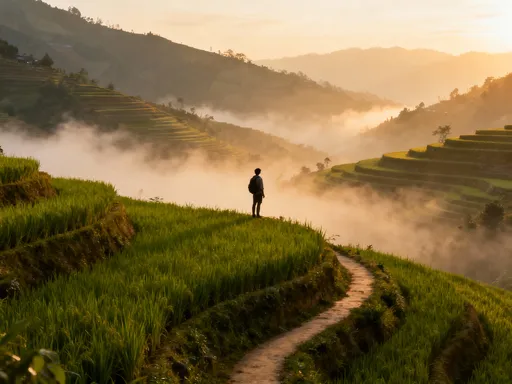
The landscape itself encourages this shift. Terraced fields cascade down steep valleys like stairways to the sky, each level shaped by human hands over centuries. Villages dot the hillsides, where H’mong, Dao, Tay, and other ethnic communities live in close relationship with the land. There is no rush in their movements—planting, harvesting, weaving, and tending animals unfold in seasonal cycles, not hourly schedules. When travelers align with this tempo, something subtle but powerful happens: the mind quiets, the senses awaken, and connection replaces consumption.
Choosing to slow down is not passive. It is an active decision to prioritize presence over productivity. It means staying in a homestay instead of a hotel, walking instead of riding, observing instead of interrupting. It means accepting that a day with no agenda can be more enriching than one packed with sights. In Sapa, this approach is not just rewarding—it feels inevitable, as natural as the morning mist rising from the valleys.
The Heartbeat of the Terraced Hills
If Sapa has a soul, it beats in the rice terraces. These sculpted fields, carved into the mountainsides over hundreds of years, are more than agricultural feats—they are living testaments to harmony between people and nature. The most breathtaking examples stretch across the valleys surrounding Ta Van and Lao Chai, where emerald-green paddies cling to steep slopes, reflecting the sky like liquid mirrors during the planting season.
The beauty of these terraces lies not only in their scale but in their transformation across the seasons. In spring, from March to May, the fields are flooded, shimmering under soft sunlight, each level carefully filled with water to prepare for seeding. The landscape glows in shades of silver and jade, with farmers wading barefoot through the mud, planting seedlings by hand. By late summer, the rice stalks grow tall and lush, turning the hills into a sea of green. Then, in September and October, the golden harvest arrives. The air fills with the scent of dry grain, and families work together, cutting, bundling, and carrying the rice to stone threshing floors.
Walking through these terraces on foot reveals what vehicles cannot: the precision of hand-built stone walls that prevent erosion, the intricate network of bamboo channels that direct water from spring to field, and the quiet pride of farmers who tend the same plots their ancestors did. These details are invisible from a bus window. They require time, patience, and proximity. They require slowing down.
What makes the terraces so powerful is not just their visual impact but their message: sustainability is not a modern invention. For generations, these communities have farmed without heavy machinery, relying on knowledge passed down orally, on cooperation, and on respect for the land. Every terrace is a lesson in balance—between effort and reward, between human need and natural limits. To walk among them is to witness resilience in its most grounded form.
Walking the Ancient Paths: Routes That Tell Stories
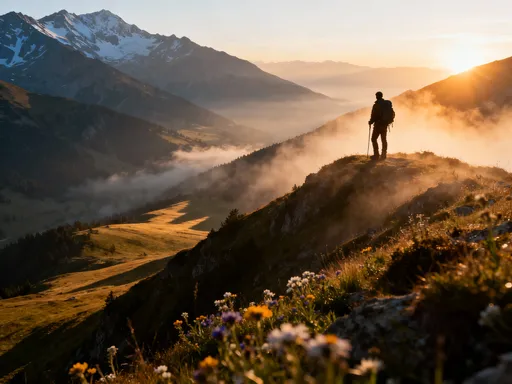
The true stories of Sapa are written in its trails. These footpaths, worn smooth by centuries of footsteps, connect villages, cross streams, and climb through forests thick with rhododendron and bamboo. They are not designed for speed. They are designed for presence. One of the most rewarding routes runs from Y Linh Ho to Suoi Tranh, a moderate trek of about five hours that winds through remote hamlets, past grazing buffalo, and along ridgelines with panoramic views of the Hoang Lien Son range.
The terrain varies—sometimes soft earth, sometimes slippery stones after rain, sometimes steep ascents that demand steady breath and sure footing. But the pace allows for observation: a butterfly landing on wildflowers, a farmer guiding a water buffalo through a narrow gate, children laughing as they chase each other down a hillside. These moments are not staged. They are simply life, unfolding in real time. The slow traveler is not a spectator but a witness, moving through the landscape with humility and attention.
Other lesser-known loops, such as those skirting the edges of Cat Cat village or descending into the Muong Hoa Valley, offer similar rewards. These routes avoid the crowded center paths, leading instead through quiet rice fields and shaded trails where birdsong replaces tour guide chatter. For safety and deeper understanding, hiring a local guide is highly recommended. A knowledgeable guide does more than point the way—they explain the significance of a ritual, translate a greeting, or share a family story, turning a walk into a conversation.
Preparation is essential. Sturdy hiking shoes, a light backpack with water and snacks, and weather-appropriate clothing are musts. The mountain climate shifts quickly—morning sun can give way to afternoon mist, and temperatures drop at night. But the physical effort is part of the experience. Each step deepens the connection to the land. Each pause offers a new perspective. The path does not rush. Neither should the traveler.
Living With the Locals: Homestays That Connect
To understand Sapa, one must sleep within it. Homestays, typically hosted by H’mong, Dao, or Tay families, offer the most authentic way to experience daily life in the highlands. These are not staged performances but real homes—wooden houses on stilts, heated by charcoal stoves, where families welcome guests into their routines with quiet generosity.
Meals are simple but nourishing: steaming bowls of corn soup, stir-fried wild greens, grilled fish from local streams, and sticky rice cooked in bamboo tubes. Eating together is not just about food—it is an act of sharing. Guests sit on low stools or mats, often with no common language, communicating through gestures, smiles, and the universal language of hospitality. Children peek from behind doorways, elders nod in quiet acknowledgment, and dogs curl up near the fire.
Evenings are unhurried. There is no television, little electricity, and no Wi-Fi. Instead, families may demonstrate traditional crafts—spinning wool, dyeing cloth with natural pigments, or weaving intricate patterns on wooden looms. Visitors are often invited to try, their clumsy fingers learning what takes years to master. These moments are not tourist attractions; they are cultural transmissions, small but meaningful exchanges that build bridges of respect.
Staying overnight also shifts the traveler’s perception of time. Waking at dawn, you hear roosters crow, see smoke rise from chimneys, and watch families begin their day. There is no rush to leave, no schedule to keep. You are not passing through—you are part of the rhythm, if only for a night. This kind of immersion fosters empathy. It reminds us that behind every culture, every tradition, are real people living real lives, not stereotypes or photo opportunities.
Markets Beyond the Postcard: Where Culture Moves Slowly
Sapa’s weekly markets are often photographed but rarely understood. Held in different villages each day—Bac Ha on Sunday, Can Cau on Saturday, Muong Hum midweek—they are not shopping destinations in the Western sense. They are social gatherings, news exchanges, and cultural touchstones wrapped in color and sound.
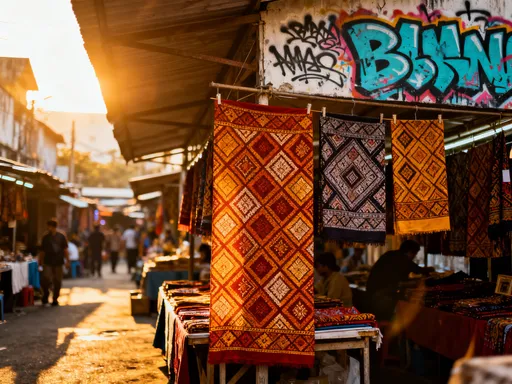
At Bac Ha, for instance, the H’mong and Flower H’mong communities come from surrounding hills to trade livestock, vegetables, and handmade textiles. Pigs and chickens are bartered in a system that values relationship as much as price. Women sit cross-legged on the ground, displaying hand-embroidered skirts and silver jewelry, their faces shaded by wide hats. The air carries the smell of roasted corn, grilled meat, and damp earth. Conversations flow in dialects unfamiliar to outsiders, laughter rings across the square, and children dart between stalls.
These markets move at their own pace. Bargaining is gentle, not aggressive. Transactions take time. People linger, catch up, share food. To visit as a slow traveler means resisting the urge to photograph everything. It means sitting on a bench, buying a cup of ginger tea, and simply watching. It means smiling, saying “xin chao” (hello), and accepting that not every moment needs to be captured.
Arriving early—before the tour buses—reveals the market’s true nature. You see families arriving on foot, carrying bundles on their backs, greeting neighbors they haven’t seen all week. You witness the slow unfolding of community life, not its performance for cameras. This is not a show. It is a way of life that continues, resilient and rooted, despite the pressures of tourism.
The Right Way to Move: Choosing Sustainable Transport
How you travel through Sapa shapes what you see—and what you miss. The region offers several ways to move: motorbike taxis (xe om), private cars, bicycles, and, of course, your own two feet. Each choice carries a different weight. The fastest option, the xe om, gets you from point to point quickly, but at the cost of connection. You see the landscape blur past, hear only the engine, and arrive at your destination without having truly arrived.
Slower modes offer deeper rewards. Cycling, though challenging on steep terrain, allows for control over pace and perspective. You can stop at will, breathe the air, and feel the sun on your skin. But nothing compares to trekking. Multi-day hikes, guided by local experts, take travelers into areas inaccessible by road. These itineraries—often two to four days—include overnight stays in remote villages, meals with families, and walks through untouched landscapes.
Local guides are more than navigators. They are cultural interpreters, environmental stewards, and community advocates. Their income supports families and helps preserve traditional knowledge. By choosing guided treks, travelers contribute directly to sustainable tourism, ensuring that economic benefits stay within the region rather than flowing to outside companies.
Even popular attractions like Fansipan, Vietnam’s highest peak, should be approached with balance. While the cable car offers stunning views and accessibility, it risks turning a sacred mountain into a theme park experience. A more meaningful approach combines the cable car with a hike along the ancient pilgrimage trail, learning about the spiritual significance of the peak to local communities. Movement, in Sapa, should be intentional—not just about reaching a summit, but about honoring the journey.
Bringing the Slowness Home: Lessons from the Highlands
Sapa does not just change how you travel. It changes how you think about travel. In a world obsessed with speed, efficiency, and constant connectivity, Sapa stands as a quiet rebellion. It reminds us that the deepest experiences come not from doing more, but from being more. From listening. From pausing. From allowing a place to reveal itself in its own time.
The lessons of the highlands are simple but profound: presence matters more than productivity; connection outweighs convenience; and simplicity can be deeply satisfying. These values need not end when the journey does. They can be carried home—into daily routines, into future trips, into the way we move through the world.
Slow travel is not about rejecting modernity. It is about choosing balance. It means planning trips with fewer destinations but longer stays. It means engaging with local cultures with humility and curiosity. It means valuing experiences over souvenirs, relationships over reviews. It means remembering that travel is not just about where we go, but how we go—and who we become along the way.
The mountains of Sapa do not rush. The rice grows in its time. The mist rolls in and out without hurry. And in their quiet rhythm, they offer a gentle truth: that sometimes, the most transformative journeys are the ones that ask us to slow down, breathe deeply, and simply be. Let that truth stay with you. Let it reshape the way you see the world. Because when you slow down, you finally begin to arrive.