You Gotta See Sendai’s Festivals – This Is Next-Level Culture
If you’ve ever wondered what it feels like to step into the heartbeat of Japan, Sendai’s festivals are your answer. I’m talking pulsing taiko drums, blazing lanterns, and streets alive with centuries-old energy. These aren’t just events—they’re living traditions that pull you in. From the legendary Tanabata to winter illuminations that freeze time, Sendai delivers authentic, soul-stirring moments you won’t forget. More than sightseeing, attending a festival here means becoming part of a rhythm that has moved through generations. It’s culture not performed for tourists, but shared with those willing to pause, observe, and participate with respect. This is where tradition breathes.
Why Sendai’s Festivals Stand Out
Among Japan’s many celebrated cities for cultural experiences, Sendai holds a distinctive place. While Kyoto dazzles with temple ceremonies and Tokyo thrives on modern spectacle, Sendai offers something rarer: a deep sense of community woven into its celebrations. The festivals here are neither overly commercialized nor staged solely for cameras. They reflect the spirit of Tohoku—the resilient northeastern region of Japan—where warmth, tradition, and authenticity run deep. What sets Sendai apart is how seamlessly it blends grand public events with intimate local participation. You won’t just watch a parade—you’ll stand beside schoolchildren waving flags, elders smiling from balconies, and neighbors sharing food under paper lanterns.
This balance between scale and sincerity makes Sendai’s festival culture uniquely accessible. In larger metropolitan areas, traditional events can feel distant, crowded behind barricades or lost in urban noise. But in Sendai, the streets open up, and the people welcome visitors as temporary members of their extended family. The city’s size plays a role—large enough to host major events, yet small enough to maintain personal connections. When fireworks light up the sky during the Tanabata Festival, they reflect not just in the river, but in the eyes of those standing beside you, many of whom have celebrated this moment every summer for decades.
Moreover, Sendai’s festivals are rooted in historical narratives that matter deeply to its residents. Unlike some tourist-centric celebrations elsewhere, these events honor real figures and stories—like Date Masamune, the 17th-century warlord who founded the city and whose legacy still shapes its identity. His presence is felt during the Aoba Festival, where costumed processions march with dignity and pride. This isn’t reenactment for entertainment; it’s remembrance. The result is an emotional resonance that few destinations can match. Visitors don’t just see culture—they feel it in the rhythm of the drums, the rustle of handmade decorations, and the quiet reverence between bursts of celebration.
The Star of the Show: Sendai Tanabata Festival
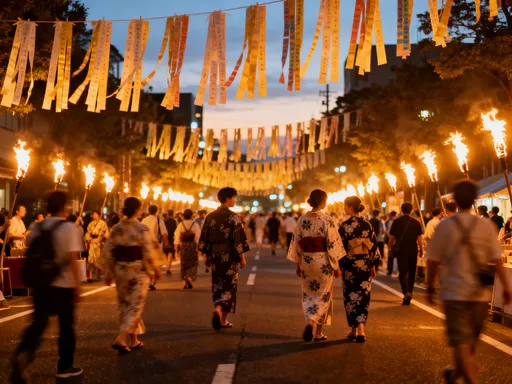
No discussion of Sendai’s cultural calendar is complete without the Tanabata Festival, an August event so vibrant it transforms the entire city into a living work of art. Held annually from August 6 to 8, this festival ranks among Japan’s top five, drawing over two million visitors each year. What began as a modest star festival has evolved into a dazzling display of craftsmanship, color, and community pride. Thousands of elaborate streamers—called *kazari*—dangle from ropes strung across shopping arcades, fluttering in the summer breeze like celestial banners.
Each decoration is handmade, often by local families, schools, or business associations, and crafted from washi paper, bamboo, and colorful tassels. The designs follow traditional themes tied to the Tanabata legend—the tale of two star-crossed lovers, Orihime and Hikoboshi, separated by the Milky Way and allowed to meet only once a year. Messages of hope, love, and gratitude are written on small strips of paper and attached to the streamers, echoing the custom of making wishes upon the stars. It’s a poetic blend of myth and personal reflection, where ancient storytelling meets modern-day dreams.
The atmosphere during Tanabata is electric. Streets buzz with music, dance performances, and the sizzle of festival food stalls. Children twirl sparklers while couples stroll hand-in-hand beneath the glowing canopy of paper ornaments. The main shopping district, Ichibancho Shotengai, becomes the heart of the celebration, lined with vendors selling everything from goldfish scooping games to hand-painted fans. For the best views, visitors should arrive early in the morning to avoid midday crowds or return after sunset when the decorations are illuminated, casting a soft, magical glow over the city.
Food lovers will find plenty to savor during Tanabata. Regional specialties like *sendai-meshi* (a hearty rice bowl with grilled fish and pickled vegetables) and *kushikatsu* (deep-fried skewers) are widely available. Don’t miss the festival-exclusive treats—sweet red bean mochi wrapped in bamboo leaves or cold matcha shaved ice served in paper cones. For families, the event is especially welcoming, with designated play zones, craft workshops, and multilingual signage helping international guests feel at ease. With its perfect mix of beauty, tradition, and accessibility, the Sendai Tanabata Festival is not just a highlight of the city’s year—it’s a defining experience of Japanese summer.
Beyond Tanabata: Other Must-Experience Festivals
While Tanabata may be the most famous, Sendai’s cultural rhythm continues throughout the year with a variety of equally compelling festivals. Each season brings its own celebration, offering visitors a chance to experience different facets of local life and heritage. One of the most dramatic is the Aoba Festival, held in late May. This event honors Date Masamune, the city’s founding lord, with a grand procession that feels like stepping back into feudal Japan. Over 2,000 participants dress in samurai armor, court robes, and traditional attire, marching through the streets with banners, drums, and horseback riders. The highlight is the reenactment of Masamune’s entrance into Sendai, a powerful reminder of the city’s historical roots.
The Aoba Festival is more than pageantry—it’s an expression of civic pride. Local schools and community groups spend months preparing costumes and choreography, ensuring the event remains deeply rooted in community involvement. Unlike staged performances in tourist-heavy areas, this festival unfolds with a sense of genuine reverence. Spectators stand quietly during ceremonial moments, then cheer enthusiastically as the drum corps passes by. The route typically begins at Aoba Shrine and winds through central Sendai, ending near the castle ruins, where visitors can explore the grounds and enjoy seasonal snacks like grilled dango and yaki-soba.
In stark contrast to the bold energy of summer and spring, Sendai’s winter offers a quieter, more reflective experience: the Pageant of Starlight. Held each December, this month-long illumination event transforms downtown Sendai into a wonderland of light. More than 600,000 LED bulbs adorn trees along Jozenji-dori Avenue, creating a shimmering tunnel that feels both serene and awe-inspiring. The display is accompanied by soft music and occasional live performances, making it a favorite for couples, families, and solo visitors seeking a peaceful evening stroll.
The emotional depth of the Pageant of Starlight became especially evident after the 2011 Great East Japan Earthquake. In the years that followed, the lights took on new meaning—as symbols of resilience, remembrance, and hope. Many visitors leave small notes or flowers at designated spots along the avenue, turning the event into a collective act of healing. Beyond these major festivals, smaller seasonal events offer intimate glimpses into local life. Cherry blossom viewings in spring, rice planting ceremonies in early summer, and autumn harvest festivals in neighborhood shrines all provide opportunities to connect with residents and experience traditions away from the spotlight.
Planning Your Trip: When and How to Go
Timing is key when planning a visit to experience Sendai’s festivals. Each season offers a unique flavor, so choosing the right time depends on what kind of experience you’re seeking. For first-time visitors, August’s Tanabata Festival is the most iconic and visually stunning option. However, it’s also the busiest, so booking accommodations six months in advance is strongly recommended. Late May is ideal for the Aoba Festival, combining mild weather with rich historical pageantry. December’s Pageant of Starlight appeals to those who prefer a calmer, more contemplative atmosphere, especially during the holiday season.
Travelers coming from Tokyo will find Sendai easily accessible by shinkansen (bullet train), with direct rides taking just 90 minutes on the Tohoku Line. The city is also served by Sendai Airport, which offers domestic flights from major hubs like Osaka, Sapporo, and Fukuoka, as well as limited international routes. Once in the city, most festival sites are within walking distance of Sendai Station, the central transportation hub. For those planning extended stays, consider using the festival as a base for exploring the wider Tohoku region.
One of the best day trips from Sendai is Matsushima Bay, consistently ranked among Japan’s Three Most Scenic Views. Just 40 minutes away by train, this coastal gem features over 200 small islands covered in pine trees, best seen from a leisurely boat cruise. Visit during cherry blossom season or autumn foliage for maximum impact. Other nearby destinations include the hot springs of Akiu Onsen, perfect for unwinding after days of festival walking, and the historic town of Hiraizumi, a UNESCO World Heritage Site with stunning Buddhist temples.
When planning your itinerary, keep in mind that Japanese festivals often follow fixed dates but can be affected by weather, especially outdoor events. Checking official city tourism websites a few weeks before travel is wise for updates. Additionally, while many signs and announcements are now bilingual, having a translation app or guidebook can enhance your experience. Families will appreciate that most festivals are stroller-friendly and include designated rest areas, nursing rooms, and accessible pathways. With thoughtful planning, your trip can be both seamless and deeply rewarding.
Getting Around and Festival Logistics
Navigating Sendai during festival season is straightforward thanks to its efficient public transportation and visitor-friendly infrastructure. The city’s subway system, though compact, connects key areas including Sendai Station, Jozenji-dori, and the outskirts where some events take place. During major festivals, additional bus routes and extended train hours are often implemented to accommodate crowds. The Yuransen streetcar, a charming retro-style tram, also runs through central districts and can be a fun way to reach festival zones without walking long distances.
Crowd management is taken seriously in Sendai. While Tanabata draws massive numbers, the city uses clear signage, volunteer guides, and timed entry systems at popular viewing points to ensure safety and comfort. Still, visitors should prepare for congestion, especially on weekend evenings. Wearing comfortable, closed-toe shoes is essential—expect to walk at least 5 to 8 kilometers over the course of a festival day. A lightweight backpack with water, snacks, and a portable phone charger can make a big difference, particularly for families with young children.
Weather is another factor to consider. August in Sendai is warm and humid, so light, breathable clothing and a small fan or cooling towel are helpful. Rain is always possible, so packing a compact umbrella or raincoat is wise—even a sudden shower won’t stop the festivities, and many stalls remain open under cover. Restroom availability is generally good, with temporary facilities set up near major event sites, but lines can grow long during peak hours. Locating rest areas in advance using festival maps can save time and discomfort.
When it comes to food and drink, most festival stalls operate on a cash-only basis, so carrying yen in small denominations is crucial. ATMs at convenience stores and post offices are reliable, but expect queues during busy periods. Many vendors offer sample portions, making it easy to try multiple dishes without overcommitting. For parents, look for stalls with non-spicy options or kid-friendly treats like candied fruits and popcorn. Above all, patience and a smile go a long way—locals appreciate respectful visitors who follow guidelines and clean up after themselves.
Where to Stay and Eat During Festival Season
Accommodation in Sendai ranges from luxury hotels to budget-friendly business inns, with most options clustered around Sendai Station for maximum convenience. For festival-goers, staying within a 10-minute walk of the station ensures easy access to events, dining, and transportation. Recommended properties include the Westin Sendai, known for its spacious rooms and excellent service, and Hotel Metropolitan Sendai, which offers great value and direct station access. For a more traditional experience, consider a ryokan (Japanese inn) in nearby Akiu Onsen, where you can enjoy hot spring baths after a long day of celebration.
Dining in Sendai is a highlight in itself, with the city renowned as a culinary destination in northern Japan. The most famous local specialty is *gyutan*—grilled beef tongue—typically served thinly sliced, seasoned with salt or miso, and accompanied by rice and miso soup. Originating in Sendai in the 1940s, gyutan has become a symbol of the city’s food culture. Many restaurants, such as Araya and Rikyu, offer both casual counter seating and private rooms, making them suitable for solo diners and families alike.
During festival season, food stalls multiply, offering seasonal and exclusive items you won’t find year-round. Look for *takoyaki* with local seafood, *yakisoba* topped with Sendai-style miso, and sweet potato-based desserts that reflect Tohoku’s agricultural roots. Some vendors even create festival-themed dishes—like star-shaped mochi during Tanabata or snowflake cookies in December. For late-night eats, convenience stores remain open 24/7, but better options include ramen shops and izakayas (Japanese pubs) that stay open past midnight, especially near entertainment districts.
If you’re dining with children or have dietary preferences, many restaurants now offer English menus and accommodate common restrictions. Tempura, udon, and sushi are widely available and generally well-received by international visitors. For a full cultural experience, try a *kaiseki*-style meal at a traditional restaurant, where multiple small courses showcase seasonal ingredients. Even if you’re on a budget, you can enjoy excellent food—festival crepes, roasted corn, and melon pan (sweet bread) are both affordable and delicious. The key is to explore with curiosity and an open palate.
Making the Most of the Experience: Tips from a Frequent Visitor
After attending Sendai’s festivals multiple times, a few simple practices have made all the difference in deepening my experience. First, arrive early—ideally by 8 or 9 a.m. on peak days. Not only does this help you avoid the thickest crowds, but it also allows you to see the decorations and streets before they fill up, giving you a more peaceful, reflective view. Morning light enhances the colors of the Tanabata streamers, and the air feels fresher, less humid. Plus, popular food stalls often sell out by mid-afternoon, so getting there early means better choices.
Second, carry cash. While some larger vendors now accept cards or mobile payments, the majority of festival stalls operate on cash only. Having 5,000 to 10,000 yen in small bills makes transactions smoother and prevents missed opportunities. I also recommend bringing a small foldable stool or cushion—many elderly locals bring them, and they’re lifesavers during long parades or when waiting for performances. A reusable water bottle is another smart addition, especially in summer, as hydration stations are available at major event sites.
Respecting local customs enhances both your experience and the community’s welcome. Bowing slightly when receiving food or passing through a shrine gate shows appreciation. Avoid touching decorations or climbing on festival structures—many are delicate and handcrafted with care. When photographing performers, ask permission if possible, and never use flash during ceremonial moments. Most importantly, step off the main streets. While Ichibancho and Jozenji-dori draw the biggest crowds, quieter neighborhood shrines often host smaller, equally heartfelt celebrations. These local events offer genuine interactions—grandmothers handing out sweets, children performing folk dances—moments that stay with you long after the trip ends.
Finally, talk to people. Many residents are proud of their festivals and happy to share stories, especially if you show interest. Even a simple “Konnichiwa” or “Sugoi desu ne!” (“It’s amazing!”) can spark a warm exchange. Don’t be afraid to try a little Japanese—it shows effort and respect. Over the years, these small connections have turned visits into memories, transforming me from a tourist into someone who feels, however briefly, part of Sendai’s living culture.
Sendai’s festivals aren’t just about spectacle—they’re a gateway to understanding Japanese spirit and community. Each event invites you not just to watch, but to feel, remember, and connect. Whether under starlit paper streamers or marching drums, this city proves culture isn’t preserved behind glass—it’s lived, loud, and unforgettable.