You Won’t Believe These Hidden Hiking Gems Just Outside Sofia
Tucked beneath Bulgaria’s Balkan peaks, Sofia surprises hikers with wild trails just minutes from the city. I never expected such raw beauty—alpine meadows, ancient forests, and panoramic ridges—all within easy reach. Whether you're craving solitude or summit views, these theme-based hiking zones deliver. Let me show you where adventure begins right beyond the capital’s doorstep. The blend of accessibility and natural grandeur makes Sofia a rare European capital where wilderness feels like a neighbor rather than a distant dream. For women who seek clarity in nature, balance in movement, and moments of quiet reflection, these nearby trails offer more than just exercise—they offer renewal.
Why Hike Near Sofia?
Sofia’s geographic position is nothing short of ideal for nature lovers. Nestled at the base of the Vitosha Massif and within a short journey from the Rila and Osogovo mountain ranges, the city offers immediate access to diverse ecosystems. Within 30 minutes by public transport or car, hikers can step into pine-scented forests, follow crystal-clear streams, or stand atop wind-swept ridges with views stretching across entire regions. This proximity transforms outdoor adventure from a luxury into a regular rhythm of life—something attainable even during a weekday afternoon.
What sets Sofia apart from other European capitals is the seamless transition from urban energy to mountain stillness. While cities like Vienna or Madrid also neighbor natural areas, few offer such dramatic elevation changes so close to the city center. Vitosha Mountain rises over 2,200 meters and is entirely visible from downtown Sofia, acting as a constant invitation to explore. The mountain’s biodiversity includes over 800 plant species, some endemic to the Balkans, making every hike both a physical and botanical journey.
For families, working professionals, or women redefining their relationship with time and self-care, this accessibility matters deeply. Hiking near Sofia isn’t reserved for elite mountaineers or weekend warriors with full gear setups. Trails range from gentle forest walks to moderate climbs, allowing beginners to build confidence and seasoned hikers to find new challenges. Seasonal changes bring variety—spring wildflowers, summer greenery, golden autumn foliage, and snow-dusted winter paths—all without requiring international flights or extended leave.
Additionally, the cost of accessing these trails remains remarkably low. Unlike many alpine destinations in Western Europe, there are no entrance fees for most areas, and public transportation options make car ownership optional. This democratization of nature means that wellness through movement is not a privilege but a possibility for many. Whether you're recovering from a long week, seeking space for contemplation, or wanting to strengthen your body gently, the mountains around Sofia answer with quiet generosity.
Vitosha Mountain: The Urban Escape Zone
Vitosha Mountain stands as Sofia’s most immediate natural companion, a vast plateau-like massif that has been protected since 1934, making it one of the oldest nature reserves in Southeastern Europe. Its rounded peaks and expansive ridgelines offer a unique hiking experience—less jagged than the Alps, yet equally majestic in scale. The most popular route leads to Cherni Vrah, the highest point at 2,290 meters, accessible via Kladnitsa Pass and Aleko Hut. This trail spans approximately 10 kilometers round-trip with a steady elevation gain of about 700 meters, making it ideal for intermediate hikers or determined beginners.
The path begins at the end of the suburban district of Dragalevtsi, where city sounds fade quickly into birdsong and rustling leaves. As the trail ascends through beech and spruce forests, occasional clearings reveal sweeping views of Sofia below, a sprawling mosaic framed by distant mountain ranges. Near Aleko Hut—a mountain lodge operating year-round—hikers encounter a crossroads of routes, marked clearly with colored stripes on trees and stones. These trail markers follow the Balkan tradition: red for difficult, blue for moderate, yellow for easy, and green for connecting paths.
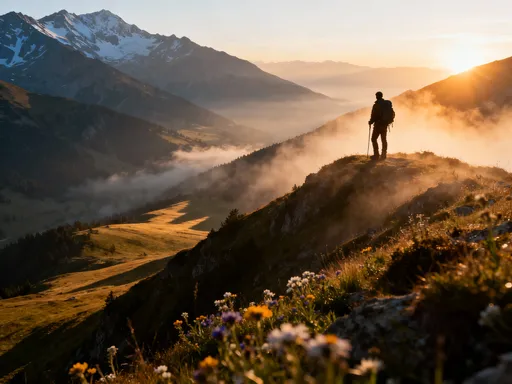
One of the greatest advantages of hiking Vitosha is the availability of the Vitosha Chairlift, which runs from Boyana district to the Aleko area. This cable car reduces the initial climb by nearly half, allowing those with limited time or stamina to reach higher altitudes comfortably. However, purists often recommend completing the full ascent on foot, especially in early morning hours when the forest is cool and dew still clings to spiderwebs. Sunrise from Cherni Vrah offers a breathtaking spectacle—golden light spilling over the city while shadows retreat from the valleys.
Despite its popularity, Vitosha rewards those who time their visits wisely. Weekends, especially in summer and early autumn, draw large crowds, including tour groups and casual walkers. To avoid congestion, aim for weekday mornings or late afternoons in shoulder seasons like May or September. Trails such as the one descending through Zlatnite Mostove (Golden Bridges), a natural stone riverbed formation, provide alternative routes back with geological interest and fewer people. Winter hiking here is also possible with proper footwear and caution, as snow covers the upper slopes from December through March.
Vitosha’s ecosystem is fragile, and increased foot traffic has led to erosion in some areas. Authorities have responded with boardwalks and reinforced pathways, particularly near Aleko and the summit ridge. As a hiker, choosing to stay on marked trails not only ensures safety but also protects the delicate alpine vegetation that takes years to recover from damage. For women seeking a reliable, uplifting escape that combines physical challenge with emotional reset, Vitosha delivers consistently—close enough to return home for dinner, far enough to feel transformed.
The Rila Foothills: Where Solitude Begins
While Vitosha offers convenience, the Rila Foothills invite those ready to deepen their connection with nature. Located about 90 minutes southwest of Sofia, this gateway to Rila National Park—Bulgaria’s largest protected area—opens into a quieter, more immersive world. Trails near villages like Zheleznitsa and Malyovitsa Valley lead into ancient forests where sunlight filters through dense canopies and the only sounds are wind, water, and distant animal calls. These areas serve as perfect transitions for hikers moving beyond urban-adjacent trails into more remote terrain.
Zheleznitsa, named after the iron-rich waters of its river, begins with a gentle climb alongside a rushing stream. The trail winds through mixed woodland of beech, fir, and birch, passing remnants of old charcoal burners’ sites and wooden shepherd shelters. These humble structures, built from logs and stone, hint at centuries-old pastoral traditions that once defined mountain life in the Balkans. Though no longer inhabited year-round, some are still used in summer by local shepherds tending flocks of Karakachan sheep, a hardy native breed.
The terrain becomes more rugged as elevation increases, with rocky steps and exposed roots requiring attention underfoot. Unlike the well-paved paths of Vitosha, these trails demand a bit more focus and sturdy footwear. Yet the effort is repaid with moments of profound peace—clearings beside bubbling springs, moss-covered boulders draped in lichen, and sudden clearings where the valley unfolds below like a painted scroll. In late June and early July, wildflowers such as edelweiss and alpine asters bloom along the edges, adding soft color to the green tapestry.
Malyovitsa Valley, further north in the Rila range, offers a slightly more adventurous experience. The trailhead starts near the Malyovitsa Hotel, a modest mountain basecamp that has hosted climbers since the mid-20th century. From here, the path climbs steadily toward the Malyovitsa Hut, nestled beneath dramatic limestone cliffs that attract rock climbers in summer. Though the full ascent to the hut takes about 2.5 hours, many hikers choose to stop midway at scenic overlooks or beside the glacial lake that reflects the surrounding peaks like a mirror.
What makes the Rila Foothills special is the sense of discovery they foster. Unlike heavily touristed zones, these trails see fewer visitors, allowing for true solitude. Birdwatchers may spot black woodpeckers or golden eagles soaring above the ridges. The air carries a crisp, clean scent—pine resin, damp earth, and cold stone—that feels like a balm for overstimulated minds. For women balancing caregiving, careers, or personal transitions, such spaces offer rare permission to simply be, to walk without agenda, to listen to one’s breath and heartbeat in harmony with nature.
The Seven Rila Lakes: A High-Alpine Wonderland
No discussion of Bulgarian hiking is complete without mentioning the Seven Rila Lakes, a chain of glacial lakes perched in a high-altitude cirque at the heart of Rila National Park. Arranged like pearls on a necklace, these lakes vary in size and depth, each reflecting the sky in its own shade of blue or gray depending on the weather. The largest, Bliznaka (The Twin), covers over 20,000 square meters and plunges to 37 meters deep, while the smallest, Okoto (The Eye), forms a nearly perfect circle at the highest elevation.
Reaching the lakes requires a commitment of time and energy. Most hikers begin from the Panichishte resort area, taking a seasonal shuttle bus to the Musala Hut trailhead, followed by a 2.5 to 3-hour ascent. The path climbs through alpine meadows and scree slopes, gaining over 800 meters in elevation. Though physically demanding, the trail is well-maintained and clearly marked, with informational signs explaining the geology and ecology of the area. Along the way, hikers pass remnants of old mining activity—abandoned tunnels and rusted equipment—silent reminders of the region’s industrial past.
Once at the lakes, the landscape feels otherworldly. Surrounded by steep granite walls and dotted with patches of snow even in midsummer, the area operates under its own microclimate. Weather shifts rapidly—sunshine can give way to fog or sudden showers within minutes—so layered clothing and waterproof gear are essential. The lakes themselves are protected under national conservation laws, and swimming is prohibited to preserve water quality and ecosystem balance.
Photographers and nature enthusiasts find endless inspiration here. Early morning light bathes the lakes in soft gold, while afternoon storms create dramatic contrasts between dark clouds and shimmering water. Trails loop around the lakes, allowing visitors to view them from multiple angles, including the famous viewpoint at the saddle between Bliznaka and Ribnoto (The Fish Lake). For those seeking an extended adventure, overnight stays at the nearby Rila Lakes Hut provide basic dormitory accommodation with mountain meals served daily.
Given its popularity, the site sees peak visitation between July and September. To experience greater tranquility, consider visiting in late June or early October, when fewer tourists arrive and autumn colors begin to paint the lower slopes. Even during busy times, stepping off the main loop onto less-traveled spurs can restore a sense of solitude. The emotional impact of standing among these ancient lakes—formed over 10,000 years ago during the last Ice Age—is difficult to overstate. It’s a place where time slows, where human concerns shrink in the presence of geological permanence, and where the soul finds room to expand.
The Belogradchik Foothills: Rugged Charm Beyond the Rocks
Further northwest, near the Serbian border, the Belogradchik Foothills offer a different kind of beauty—one shaped by wind, water, and time. Best known for the Belogradchik Rocks, a surreal collection of sandstone and conglomerate formations sculpted into shapes resembling castles, animals, and human figures, the region also hides a network of lesser-known hiking trails that wind through surrounding hills and forests. These paths provide a refreshing alternative for those who wish to avoid crowded viewpoints while still experiencing Bulgaria’s dramatic geology.
One rewarding route starts from the village of Cherven and ascends through oak and hornbeam woodland toward the Kadiytsa Peak area. The trail passes near old Orthodox chapels carved into rock niches, silent witnesses to centuries of spiritual practice in remote areas. Though no longer active, these small sanctuaries retain a sense of reverence, often adorned with simple wooden crosses or wildflower offerings left by passing hikers. The climb is moderate, gaining about 500 meters over 6 kilometers, with panoramic views unfolding as the forest thins near the top.
Another option leads from the Belogradchik Rocks park toward the Magura Cave area, combining geological wonder with forest immersion. While the cave itself requires guided entry due to its delicate stalactite formations and archaeological significance, the surrounding trails allow free exploration. Hikers pass through shaded ravines, cross seasonal streams on stone footbridges, and encounter abandoned shepherd stone huts tucked into rocky alcoves. These structures, built without mortar, speak to a vanished way of life rooted in simplicity and resilience.
What makes these foothills special is their blend of cultural and natural heritage. Unlike purely alpine environments, this region tells layered stories—of medieval monks seeking solitude, of border guards watching ancient passes, of farmers tending terraced fields now reclaimed by forest. The trails here are not as polished as those in Vitosha or the Seven Rila Lakes, but that roughness adds authenticity. Footing can be uneven, signage sparse in places, and solitude nearly guaranteed. For women who appreciate history intertwined with landscape, who find strength in stories of endurance, these walks offer quiet inspiration.
Practical Tips for Hiking Around Sofia
Preparation enhances both safety and enjoyment on any hike, especially when venturing into higher elevations or less-developed areas. First, always check the weather forecast before departure. Mountain conditions in Bulgaria can change rapidly, particularly in spring and autumn, when fog, rain, or unexpected snow may appear even if the city below enjoys sunshine. Layering is key: moisture-wicking base layers, insulating mid-layers, and a reliable waterproof outer shell should form the core of your clothing system.
Navigation tools are essential, even on marked trails. While most major routes have color-coded signs, some side paths or older sections may lack clear direction. A downloaded offline map via apps like Komoot or Gaia GPS provides valuable backup. Paper maps remain useful, especially in areas with poor signal. Inform someone of your planned route and expected return time, particularly if hiking alone—a simple precaution that adds peace of mind.
Water supply should never be underestimated. Though many trails pass natural springs, especially in the Rila and Vitosha areas, it’s wise to carry at least two liters per person and use a portable filter or purification tablets if refilling en route. Snacks rich in protein and complex carbohydrates—nuts, dried fruit, energy bars—help maintain energy levels during longer climbs. Avoid heavy meals before ascending, as digestion slows at altitude.
Footwear matters greatly. Trail runners work well on well-maintained paths like those on Vitosha, but sturdier hiking boots with ankle support are recommended for rocky or uneven terrain in the Rila or Belogradchik areas. Break in new shoes before long hikes to prevent blisters. Trekking poles, while optional, reduce joint strain during descents and improve balance on slippery surfaces.
Transportation to trailheads varies. Vitosha is accessible via city bus lines 66, 88, and 213, which run regularly from central Sofia. For more distant locations like the Seven Rila Lakes or Belogradchik, regional buses depart from Sofia’s central bus station, with connections available to nearby villages. Ride-sharing platforms and rental cars offer flexibility, especially for early starts or group hikes. When using public transit, verify seasonal schedules, as some routes operate reduced service outside summer months.
Preserving the Wild: Responsible Hiking Practices
As more people discover the trails around Sofia, the responsibility to protect these landscapes grows stronger. The principles of Leave No Trace—plan ahead, travel on durable surfaces, dispose of waste properly, leave what you find, minimize campfire impact, respect wildlife, and be considerate of others—apply fully in Bulgarian mountain environments. These are not suggestions but commitments to future generations who will walk these same paths.
Staying on marked trails prevents soil erosion and protects fragile alpine plants that take decades to mature. Feeding animals, even with good intentions, disrupts natural behaviors and can lead to dependency. Littering, including biodegradable items like fruit peels, alters ecosystems and attracts pests. Packing out all trash, including tissues and food wrappers, is non-negotiable. If you see litter left by others, consider carrying it out—a small act with outsized impact.
Supporting local conservation efforts also makes a difference. Entrance fees at certain parks, donations to environmental NGOs like the Bulgarian Biodiversity Foundation, or volunteering for trail cleanup days all contribute to long-term preservation. Choosing eco-conscious accommodations and purchasing from village cooperatives help sustain rural communities that depend on responsible tourism.
Hiking near Sofia is more than recreation; it is a practice of mindfulness, a return to rhythm, a reconnection with the earth’s quiet strength. For women navigating complex lives, these mountains offer not escape, but perspective. They remind us that progress doesn’t always mean speed, that beauty thrives in stillness, and that every step forward—no matter how small—matters. So lace your boots, breathe deep, and step onto the trail. Adventure, peace, and wonder await just beyond the city’s edge.