You Won’t Believe These Hidden Festival Gems in York
When you think of York, medieval streets and chocolate factories might come to mind—but there’s a whole other side pulsing beneath the surface. I’m talking about intimate, lesser-known festivals where locals laugh, dance, and celebrate in ways most tourists never see. Forget the crowded guides—this is where tradition feels alive, raw, and totally real. If you’re chasing authenticity, York’s offbeat festival culture might just blow your expectations away. These are not grand spectacles staged for cameras, but heartfelt gatherings rooted in centuries-old rhythms, where community spirit hums through cobblestone lanes and village greens. They offer something increasingly rare in modern travel: unscripted connection, quiet joy, and a chance to witness how a place truly lives when it’s not performing for visitors.
Beyond the Guidebooks: York’s Secret Festival Pulse
While the York Viking Festival and the Chocolate Festival draw international crowds each year, they represent only one facet of the city’s vibrant cultural tapestry. Beneath these well-publicized events lies a network of smaller, community-led celebrations that pulse with genuine warmth and local character. These hidden gems often go unmentioned in mainstream travel guides, yet they offer a far more immersive experience for those willing to look beyond the obvious. They are not designed for mass tourism, but rather grow organically from the rhythms of neighborhood life, seasonal changes, and shared traditions passed down through generations.
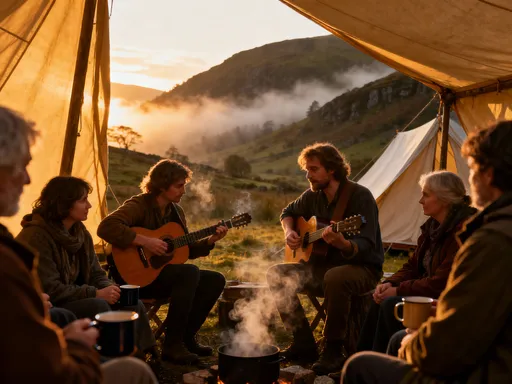
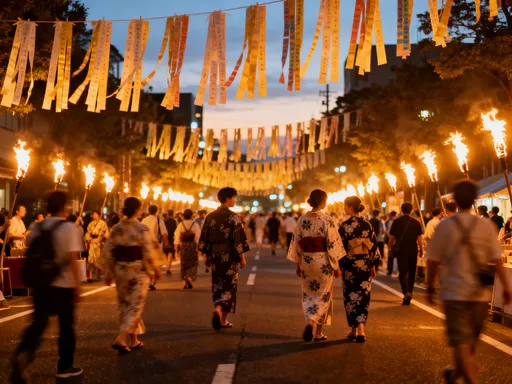
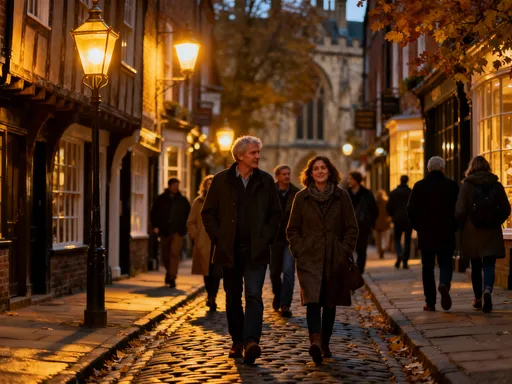
One such moment might unfold during the York Early Music Festival, when a spontaneous performance erupts in a quiet courtyard behind a 15th-century church. A small ensemble in period dress plays lute and viol, their music drifting into the alleyways like a secret invitation. Tourists who stumble upon it pause, transfixed—not because it’s loud or flashy, but because it feels intimate, almost sacred. Or consider the quiet magic of the autumn lantern procession near the River Foss, where families walk together beneath glowing handmade lanterns, their faces lit by soft candlelight. There are no ticket lines, no announcements—just a sense of belonging that unfolds naturally.
These events matter because they reflect how locals choose to celebrate—not how they think tourists want them to. The difference is palpable. In a city where history is often packaged for consumption, these moments remain unpolished and unpretentious. They invite participation, not observation. You’re not watching a reenactment; you’re stepping into a living tradition. Whether it’s joining a folk dance in a village square or sharing a toast at a neighborhood harvest gathering, the experience feels earned, not sold.
The Heartbeat of Community: Local Neighborhood Festivals
York’s soul reveals itself most clearly in its neighborhoods, where annual festivals serve as anchors of local identity. Events like the Bishopthorpe Feast Day or the Heslington Village Fair may not make international headlines, but they are deeply cherished by residents. These gatherings are not themed attractions—they are real expressions of community pride, built on volunteer effort, family involvement, and a love for place. Walking into one of these festivals feels less like attending an event and more like being welcomed into a family celebration.
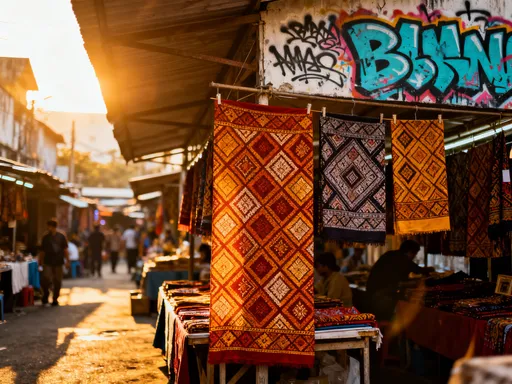
At the Bishopthorpe Feast Day, the village green comes alive with handmade stalls offering preserves, quilts, and baked goods. A brass band plays cheerful tunes from a wooden bandstand as children race decorated tricycles in a timed sprint. Elderly neighbors sit on folding chairs, smiling as they watch grandchildren perform Morris dances with exaggerated solemnity. There’s a homemade quality to everything—the bunting is slightly crooked, the tea tent runs out of sugar by mid-afternoon, and the schedule is loosely followed at best. Yet this imperfection is precisely what makes it authentic. It’s not about perfection; it’s about presence.
Similarly, the Heslington Village Fair draws families from across the outer districts of York. The event centers around a maypole dance led by schoolchildren in white dresses and floral crowns. Stalls sell locally roasted coffee, hand-thrown pottery, and honey from hives kept in community gardens. Dogs weave between legs, and toddlers clutch balloons shaped like animals. The atmosphere is relaxed, unhurried, and deeply rooted in the rhythms of rural Yorkshire life. For visitors, the key to enjoying such events is not to treat them as performances, but to engage as respectful guests—buying a raffle ticket, complimenting a baker’s scones, or simply standing quietly to absorb the scene.
These festivals thrive on participation, not spectatorship. They reflect a culture where community is not an abstract idea, but a daily practice. For the traveler, they offer a rare opportunity to witness—and even join—a way of life that values connection over convenience, continuity over novelty. In an age of digital isolation, such moments feel quietly revolutionary.
Seasonal Rhythms: How York Celebrates the Year’s Turning
York’s festival calendar follows the turning of the seasons, with quiet but meaningful events marking the passage of time. These celebrations are often understated, lacking the fanfare of commercial holidays, yet they carry deep cultural resonance. They reflect a worldview in which nature and tradition are intertwined—a legacy of Yorkshire’s agricultural past and enduring respect for cyclical time.
In spring, the arrival of May Day is still observed in nearby villages with Morris dancing and the crowning of a May Queen. In Sutton upon Derwent or Escrick, villagers gather at dawn to watch dancers in white with ribbons and bells perform ancient steps on the green. A hawthorn tree is decorated with flowers and ribbons, symbolizing renewal. While these customs have faded in many parts of England, they persist here not as tourist attractions, but as heartfelt traditions upheld by local families. The dances may be simple, the costumes worn, but the joy is unmistakable.
Summer brings its own rhythm, with midsummer bonfires and outdoor storytelling events in places like Askham Richard or Naburn. At St. William’s College, a small solstice gathering sometimes takes place in the cloister garden, where readings and music honor the longest day. These are not large-scale productions, but quiet moments of reflection, often attended by just a few dozen people. Yet their intimacy amplifies their impact—there is a sense of being part of something enduring, something older than any individual.
Autumn is rich with harvest-related events, from apple wassailing in orchards on the outskirts of York to community suppers featuring seasonal produce. The wassail ceremony, though rare, is still practiced in a few rural pockets. It involves singing to apple trees, pouring cider at their roots, and hanging toast in the branches to appease the spirits of the orchard—an old fertility rite meant to ensure a good crop the following year. While some may view it as quaint, for those who participate, it’s a gesture of respect for the land and its gifts.
Winter, too, holds its own quiet magic. Beyond the famous York Christmas Market, smaller gatherings take place in parish halls and historic buildings. Carol services in ancient churches, candlelight vigils, and storytelling nights keep the spirit of the season alive in a way that feels personal rather than commercial. These events don’t seek to impress—they simply offer warmth, music, and a shared moment of stillness in the darkest time of year.
Soundscapes of the Unexpected: Music and Performance Off the Radar
York has long been a city of music, but its most memorable performances often happen offstage and off the tourist trail. While the York International Young Music Festival brings professional ensembles to formal venues, the real magic spills into the city’s hidden corners. In tucked-away pubs like The Rechabite or The Blue Bell, impromptu folk sessions erupt on weekend evenings, drawing musicians from across Yorkshire. Fiddles, accordions, and flutes blend with rich vocal harmonies, and if you listen closely, you might hear ballads that have been sung in these parts for over two centuries.
One of the city’s best-kept secrets is the series of intimate concerts hosted by the National Centre for Early Music, especially during festival seasons. Though the center is known for its high-caliber programming, many of its events are free or low-cost and attract devoted local audiences. A midweek evening might feature a lute recital in the 14th-century St. Margaret’s Church, the acoustics amplifying every delicate pluck. The audience is small—perhaps thirty people—but deeply attentive. There are no programs handed out, no applause between movements; the focus is purely on the music.
Equally compelling are the open-air performances that appear without warning. During warmer months, the York Minster’s undercroft sometimes hosts chamber music in its stone-vaulted space, the sound echoing like whispers from the past. Elsewhere, courtyard gardens behind medieval houses become makeshift stages for jazz trios or classical quartets. These settings transform the experience—music is not consumed, but lived. You feel the vibration in the stone beneath your feet, the cool air on your skin, the shared silence of listeners who have come not for spectacle, but for meaning.
For the discerning traveler, these moments offer a different kind of enrichment—one that doesn’t require a guidebook or a ticket. They remind us that culture is not always loud or large. Sometimes, it’s a single voice singing an old song in a dimly lit pub, or a violinist playing a slow air beneath an archway, their breath visible in the evening air. These are the sounds that linger long after the trip ends.
Taste of Tradition: Food and Drink in Festival Form
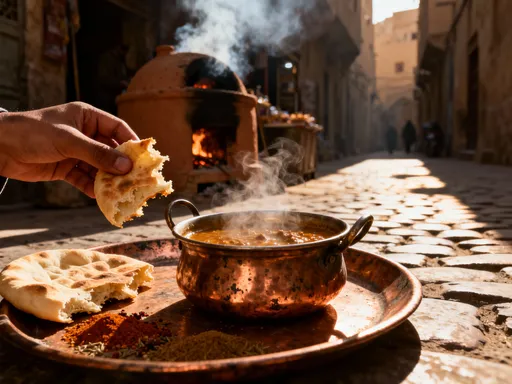
Food in York’s lesser-known festivals is not just sustenance—it’s memory, identity, and celebration all at once. While the York Food & Drink Festival showcases top chefs and trendy pop-ups, its fringe events reveal a deeper culinary heritage. In village halls and church basements, seasonal feasts are prepared using recipes handed down through generations. These are not fusion dishes or Instagrammable creations, but honest food made with care: pork pies with flaky golden crusts, Yorkshire puddings served with rich onion gravy, and fruit crumbles baked with apples from local orchards.
One of the most evocative traditions is the autumn apple wassail, where a communal feast accompanies the ritual blessing of the orchard. After the ceremony, a long table is set outdoors, and guests are served cider made from the previous year’s harvest, along with roasted meats, root vegetables, and warm bread. The meal is eaten slowly, with laughter and storytelling filling the gaps between bites. Here, food is not rushed or disposable—it’s a centerpiece of connection, a way of honoring both the land and those who tend it.
Harvest gatherings in surrounding villages often feature farmhouse ales brewed specifically for the occasion. These are not mass-produced beers, but small-batch brews with names like “Harvest Moon” or “Threshers’ Ale,” created by local microbreweries or even home brewers. They are shared freely, poured into mismatched glasses, and toasted with genuine warmth. To drink one is to participate in a tradition of conviviality that predates modern consumer culture.
Even in the city, pop-up feasts during festival weekends offer a chance to taste this heritage. Organized by grassroots collectives, these meals might take place in a disused warehouse, a walled garden, or beneath the shadow of the city walls. Diners sit at long wooden tables, served courses that reflect the season—roast beetroot with goat cheese in autumn, wild garlic soup in spring. The emphasis is on locality, seasonality, and shared experience. There’s no menu to choose from, no dietary substitutions—just trust in the cook and openness to the moment.
For travelers, these meals are not just about flavor, but about understanding. Each dish tells a story: of weather and soil, of labor and care, of families gathering around the table. To eat at one of these festivals is to be welcomed into that story, even if only for an evening.
Navigating the Unseen: Practical Tips for Finding Hidden Festivals
Finding York’s hidden festivals requires a shift in mindset—from planner to explorer. These events rarely appear in glossy brochures or major travel websites. Instead, they live in community noticeboards outside village shops, in newsletters from local arts councils, or in the casual conversations you might overhear in a café. The first step is to slow down. Put away the itinerary and allow space for discovery. Visit the York Explore Library, where flyers for local events are often displayed near the entrance. Check the website of the York Civic Trust or the York Arts Council, which list grassroots cultural happenings.
Another effective strategy is to follow small local organizations on social media. Groups like York Folk Network or Village Halls Yorkshire regularly post about upcoming events, from music sessions to seasonal fairs. These platforms are not curated for tourists, so the information is authentic and up to date. You might learn about a Morris dancing rehearsal open to observers, or a lantern-making workshop ahead of a neighborhood procession.
Equally valuable is the art of conversation. Sit in a local pub during the afternoon, order a cup of tea, and strike up a chat with the person next to you. Ask, “Are there any events happening around here this weekend?” or “What’s your favorite time of year to be in York?” More often than not, you’ll be met with a warm smile and a recommendation that no search engine could provide. Locals appreciate genuine interest, and they’re often happy to share their favorite traditions with respectful visitors.
When attending these events, remember that you are a guest. Dress modestly, arrive early to show respect, and avoid taking photos without permission. Don’t treat the occasion as a performance—participate when invited, observe when appropriate, and always express gratitude. A simple “thank you” to an organizer or a compliment to a cook goes a long way. The goal is not to extract an experience, but to share in one.
Why These Moments Matter: The Deeper Reward of Offbeat Celebration
In an era of curated travel and picture-perfect itineraries, York’s hidden festivals offer something profoundly different: authenticity. These are not events designed for viral videos or influencer content. They exist because people want to celebrate together, to honor their history, and to pass something meaningful to the next generation. To witness them is to remember why we travel in the first place—not just to see new places, but to feel new things.
These small gatherings foster human connection in its purest form. There are no barriers between performer and audience, between local and visitor. Everyone shares the same space, the same food, the same music. In that shared presence, differences dissolve, and a quiet sense of belonging emerges. It’s the kind of moment that stays with you—not because it was spectacular, but because it was sincere.
Moreover, these festivals play a vital role in cultural continuity. In a world where traditions are often lost to modernization, they serve as living threads connecting past and present. They remind us that heritage is not something locked in museums, but something lived, sung, cooked, and danced. When a child learns a Morris dance from a grandparent, or a family gathers to make lanterns for a procession, they are not reenacting history—they are continuing it.
For the traveler, the lesson is clear: seek not only the famous, but the felt. Venture beyond the well-trodden paths. Let go of the need to document everything and instead allow yourself to be present. In York’s quietest celebrations—in the flicker of candlelight on a winter’s night, in the sound of a fiddle echoing through a stone alley, in the warmth of a shared meal—you’ll find its loudest heartbeat. And in that heartbeat, you may just find a piece of your own.