Where Art Meets the Market: Jakarta’s Most Creative Shopping Spots
You know that feeling when you stumble upon a place that’s not just about buying things, but about experiencing culture, color, and creativity? That’s Jakarta for me. Far from your average shopping city, it blends urban energy with artistic soul. I didn’t expect to find galleries hidden in malls or street art that tells a story with every brushstroke. This is more than retail—it’s a sensory journey through Indonesia’s creative heartbeat. Jakarta invites visitors to step beyond transactional shopping and into a world where every purchase carries meaning, every street corner hums with expression, and art is not confined to museums but lives boldly in market lanes, high-rise lobbies, and open-air plazas. This city has redefined what it means to shop with intention.
The Urban Canvas: Art in Jakarta’s Public Spaces
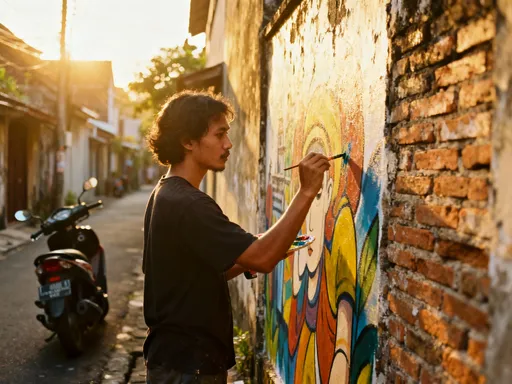
Jakarta surprises many first-time visitors with the sheer visibility of art woven into its urban fabric. Unlike cities where public art is reserved for parks or cultural districts, Jakarta embraces creativity in the most unexpected places—on underpasses, office building façades, and even electrical substations. The transformation of Kota Tua, the Old Town district, stands as a powerful example. Once a neglected colonial-era enclave, it now pulses with life, thanks in large part to vibrant murals that depict Indonesia’s rich history, folklore, and contemporary social themes. Artists from across the archipelago have contributed to this open-air gallery, turning brick and mortar into storytelling surfaces.
Equally striking is the integration of art in the Sudirman Central Business District (SCBD), where sleek glass towers meet curated sculptures and interactive installations. Here, corporate plazas double as exhibition spaces, with rotating works by Indonesian sculptors and multimedia artists. These pieces are not mere decorations; they invite pause, reflection, and connection. A bronze figure gazing skyward or a kinetic wind sculpture catching the breeze becomes a moment of calm amid the rush of urban life. The city government and private developers have increasingly recognized the value of art in humanizing dense urban environments, making Jakarta feel less like a concrete jungle and more like a living, breathing cultural canvas.
What makes this public art movement particularly impactful is its accessibility. Unlike museum visits that may require time, planning, and admission fees, these works are free and visible to everyone—commuters, delivery riders, office workers, and tourists alike. They spark conversations, inspire photos, and often become landmarks in their own right. For families exploring the city, these installations offer gentle educational moments, especially for children curious about symbolism and color. The city’s embrace of graffiti and muralism also signals a shift toward valuing youth expression and alternative art forms, once marginalized in formal institutions. Jakarta’s public art is not just seen—it’s felt, shared, and celebrated.
Pasaraya Grande: Where Elegance Meets Craftsmanship
Amid Jakarta’s modern shopping landscape, Pasaraya Grande stands as a testament to enduring elegance and cultural pride. Established in the 1950s, it is one of the city’s oldest department stores, yet it remains remarkably relevant. Nestled in the Kramat Jati area, this multi-story emporium is more than a retail space—it’s a curated celebration of Indonesian artistry. Unlike the sleek, international malls that dominate the skyline, Pasaraya Grande exudes a timeless charm, with wide aisles, soft lighting, and a deliberate pace that encourages browsing and discovery.
The store’s most celebrated section is its collection of traditional textiles. Rows of handwoven ikat, songket, and batik from across the Indonesian archipelago are displayed with reverence. Each piece tells a regional story, from the intricate gold-thread embroidery of Palembang to the earthy indigo dyes of Sumba. Labels often include details about the artisan, the village of origin, and the cultural significance of the patterns—transforming shopping into an educational experience. Visitors can find everything from ceremonial sarongs to modern batik dresses designed for everyday wear, making it easy to incorporate tradition into contemporary life.
What truly sets Pasaraya Grande apart is its commitment to supporting local makers. The store partners directly with cooperatives and weaving communities, ensuring fair compensation and preserving traditional techniques at risk of fading. In doing so, it acts as a bridge between rural craftsmanship and urban demand. Accessories such as hand-carved wooden jewelry, rattan bags, and ceramic tableware are also thoughtfully sourced, reflecting Indonesia’s diverse natural resources and artistic heritage. For travelers seeking authentic souvenirs, this is a trusted destination where quality and ethics go hand in hand.
The atmosphere inside is calm and unhurried, a welcome contrast to the city’s usual bustle. Staff are knowledgeable and proud to explain the origins of their products, often sharing anecdotes about the artisans they’ve met. While prices reflect the handmade nature of the goods, they remain reasonable given the craftsmanship involved. For families and collectors alike, Pasaraya Grande offers a rare opportunity to own something beautiful, meaningful, and deeply Indonesian.
Plaza Indonesia: The High-End Art Experience
If Pasaraya Grande represents tradition, Plaza Indonesia embodies the modern evolution of Indonesian creativity. Located in the heart of the city’s luxury district, this upscale mall is home to international fashion houses, fine dining restaurants, and, increasingly, curated art exhibitions. What began as a retail destination has grown into a cultural venue where art and commerce coexist seamlessly. Seasonal displays in the central atrium feature large-scale installations by prominent Indonesian artists, transforming the space into a temporary gallery.
One of the mall’s most notable initiatives is its collaboration between fashion designers and visual artists. During events like Jakarta Fashion Week or Indonesian Design Week, visitors might encounter a couture gown displayed alongside a painting that inspired its pattern, or a sculpture that mirrors the textures of a new fabric collection. These interdisciplinary projects highlight the deep connections between different forms of creative expression. The mall also hosts artist talks and live demonstrations, inviting the public to witness the creative process in real time.
What makes Plaza Indonesia unique is its ability to attract high-net-worth visitors without sacrificing cultural authenticity. The art on display is not imported or generic—it is distinctly Indonesian, often addressing themes of identity, nature, and urban life. Sculptures made from recycled materials, textile-based installations using traditional techniques, and digital art inspired by wayang puppetry all find space here. This deliberate curation sends a powerful message: luxury and heritage can coexist.
While the shopping experience is undeniably premium, the art exhibitions are open to all, free of charge. This inclusivity allows families, students, and art lovers from all backgrounds to engage with high-caliber works they might not otherwise access. The mall’s management views these exhibitions not just as marketing tools but as contributions to Jakarta’s cultural ecosystem. For the discerning traveler, a visit to Plaza Indonesia offers more than designer labels—it offers insight into the soul of contemporary Indonesia.
Tanah Abang Market: Chaos with Creative Heart
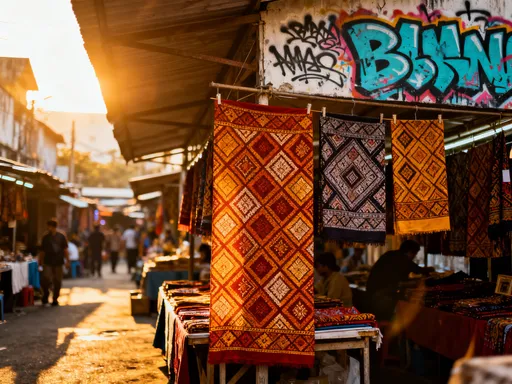
Just a short drive from the polished corridors of Plaza Indonesia lies Tanah Abang, Southeast Asia’s largest textile market and a sensory overload in the best possible way. This sprawling complex, spread across multiple floors and buildings, is a hive of activity from dawn until dusk. The air hums with the chatter of vendors, the whir of sewing machines, and the rustle of fabric being unfurled. Stalls overflow with rolls of batik, lace, silk, cotton, and synthetic blends in every color imaginable. For local designers, fashion students, and home sewers, this is a treasure trove of materials and inspiration.
What makes Tanah Abang extraordinary is its role as a creative engine. While it may appear chaotic to the uninitiated, the market operates on a finely tuned system. Wholesalers supply small boutiques across the country, while independent designers come to source unique fabrics for limited-run collections. Some stalls specialize in rare vintage batik, while others offer custom printing services. The market is not just a place to buy—it’s a place to create. Many emerging fashion entrepreneurs start here, buying in bulk and transforming raw materials into wearable art sold online or in concept stores.
For tourists, navigating Tanah Abang requires preparation but rewards curiosity. The best time to visit is early in the morning, before the crowds peak and the heat intensifies. Bargaining is expected, and a friendly attitude goes a long way. While the upper floors focus on textiles, the lower levels offer ready-to-wear clothing, accessories, and even food stalls serving local favorites like nasi goreng and es teh. A guided tour can help visitors make sense of the labyrinth and avoid common pitfalls, such as counterfeit goods or aggressive touts.
Beyond commerce, Tanah Abang holds deep cultural significance. It represents resilience, entrepreneurship, and the enduring value of craftsmanship in a fast-fashion world. For families interested in how clothing is made and sourced, it offers a transparent, unfiltered look at the supply chain. More than just a market, Tanah Abang is a living ecosystem where creativity, labor, and tradition intersect in dynamic ways.
ArtJog MMXX: When Shopping Becomes an Exhibition
Though originally based in Yogyakarta, the annual ArtJog fair has gained such popularity that pop-up editions now appear in Jakarta, drawing art lovers and collectors from across the region. More than a traditional exhibition, ArtJog is a celebration of art as a lived, wearable, and usable experience. The event transforms venues like the Jakarta Convention Center or pop-up pavilions in public parks into immersive spaces where painting, sculpture, ceramics, fashion, and design converge.
One of ArtJog’s defining features is its emphasis on accessibility. Unlike exclusive gallery shows where prices are hidden and sales discouraged, ArtJog encourages direct interaction between artists and buyers. Visitors can speak with creators, learn about their techniques, and purchase works on the spot. Prices range from affordable prints and hand-painted ceramics to high-end sculptures, making art ownership attainable for a broad audience. Wearable art—such as hand-embroidered jackets, statement jewelry, and textile installations—often sells out quickly, reflecting a growing desire to own pieces that are both beautiful and functional.
The fair’s curatorial theme changes each year, often focusing on sustainability, cultural identity, or social change. For example, a recent edition highlighted eco-conscious art made from recycled materials, including plastic waste transformed into intricate mosaics and ocean debris turned into sculptures. These themes resonate deeply with modern consumers who seek meaning in their purchases. ArtJog also features live performances, workshops, and children’s activities, making it a family-friendly event that nurtures the next generation of art appreciators.
For travelers planning a visit, ArtJog typically runs during the dry season, from May to August, with tickets available online or at the door. While the main event remains in Yogyakarta, Jakarta pop-ups are increasingly common, often hosted in collaboration with malls or cultural institutions. Attending ArtJog is more than a shopping trip—it’s a cultural immersion, a chance to witness Indonesia’s creative pulse in real time.
Pop-Up Culture: Ephemeral Markets and Art Installations
Jakarta’s creative scene thrives not only in permanent spaces but also in temporary, pop-up formats that capture the city’s dynamic spirit. Markets like Pasar Santa in Senopati and Lenggang Jakarta in Menteng have become weekend destinations for locals and tourists seeking authentic, community-driven experiences. These events transform parking lots, school grounds, or public plazas into vibrant hubs where young artists, designers, and food entrepreneurs showcase their work.
Pasar Santa, held every Saturday and Sunday, exemplifies this trend. What began as a small night market has evolved into a full-scale creative festival. Rows of white tents house independent brands selling handmade candles, organic skincare, minimalist clothing, and art prints. Live music, pop-up cafes, and photo installations add to the festive atmosphere. The market’s layout encourages wandering and discovery, with no two visits ever feeling the same. For families, it’s a safe, lively space where children can draw on chalkboards, sip fresh coconut water, and watch local dance performances.
Lenggang Jakarta, hosted in a public park, takes a more curated approach, focusing on design, sustainability, and cultural exchange. Vendors are selected through applications, ensuring quality and originality. Here, one might find a ceramicist demonstrating pottery techniques, a designer selling upcycled tote bags, or a chef offering plant-based rendang. These markets are not just about selling—they’re about building community, fostering collaboration, and giving emerging talent a platform.
The ephemeral nature of these events adds to their charm. Because they are temporary, they feel special, urgent, and authentic. They reflect a shift in consumer behavior—away from mass production and toward unique, meaningful purchases. For travelers, attending a pop-up market offers a genuine connection to Jakarta’s youth culture and creative energy, far removed from tourist traps.
Design Districts: The Rise of Creative Hubs
Beyond individual markets and malls, Jakarta is witnessing the emergence of entire neighborhoods dedicated to creativity. Areas like Menteng, Cikini, and Kemang are evolving into design districts where galleries, boutique shops, co-working spaces, and cafés coexist in harmonious clusters. These zones are the result of urban regeneration efforts that have repurposed old buildings into cultural centers, attracting artists, architects, and entrepreneurs.
Menteng, once a quiet residential enclave, now hosts small galleries like Cemeti Art House and Ruang Mes 56, which exhibit contemporary Indonesian art in intimate settings. Nearby, independent bookstores and design studios line the streets, offering everything from hand-bound journals to custom furniture. A walking tour through Menteng reveals hidden courtyards with murals, open studios during art weekends, and cafés where creatives gather to brainstorm and collaborate.
Cikini, centered around the Taman Ismail Marzuki arts complex, is another hotspot. The area blends education and exhibition, with music schools, theater spaces, and regular art bazaars. The recent revitalization of the Cikini railway station into a cultural kiosk has further energized the district, making it more accessible to visitors. For families, it’s a place where art is not only seen but experienced—through workshops, open mic nights, and community murals painted by neighborhood children.
These creative hubs represent a new model for urban development—one that values culture as a driver of economic and social vitality. They offer slower, more reflective alternatives to Jakarta’s fast-paced shopping malls, inviting visitors to linger, engage, and connect. For the traveler seeking depth and authenticity, a walk through these neighborhoods reveals the heart of Jakarta’s artistic renaissance.
Jakarta’s shopping scene isn’t just about what you buy—it’s about what you feel. Each venue tells a story of tradition, innovation, and resilience. From grand department stores to buzzing street markets, art isn’t an add-on; it’s the foundation. For travelers seeking depth, meaning, and beauty, this city offers more than meets the eye. It invites you to look closer, engage deeper, and carry home not just souvenirs—but stories.