What I Learned Balancing Qigong and Diet the Professional Way
For years, I chased wellness through quick fixes—until I discovered how deeply qigong and mindful eating work together. As someone trained in traditional Chinese medicine, I’ve seen how improper diet disrupts energy flow, no matter how well you practice qigong. This isn’t about strict rules; it’s about harmony. In this article, I’ll walk you through the professional insights that transformed my practice: why dietary choices matter in energy cultivation, and how small, science-aligned changes can enhance your results—naturally, safely, and sustainably.
The Hidden Link Between Food and Qi
In traditional Chinese medicine (TCM), qi—often translated as vital energy or life force—is the foundation of health and vitality. It flows through channels in the body known as meridians, supporting organ function, immunity, and emotional balance. When qi moves freely and is abundant, a person feels alert, calm, and resilient. But when qi becomes deficient, stagnant, or imbalanced, fatigue, digestive discomfort, mood swings, and weakened immunity often follow. While many associate qi cultivation primarily with practices like qigong, acupuncture, or breathwork, one of the most powerful yet underappreciated influences on qi is food.
Food is considered the “first medicine” in TCM because it directly contributes to the formation of qi. The process begins with digestion: once food is consumed, the Spleen and Stomach—organs that hold central importance in TCM theory—transform it into usable energy. This energy, known as “gu qi” or food qi, then combines with “kong qi” (air qi) from breathing to form the body’s overall supply of qi. Without properly nourishing food, even the most disciplined qigong practice may fail to produce lasting energetic benefits. This is not a matter of willpower or spiritual purity—it’s a physiological reality rooted in centuries of clinical observation and modern understanding of digestion and metabolism.
Yet in today’s fast-paced world, many common eating habits work directly against this process. Consuming large amounts of processed foods, refined sugars, and artificial ingredients places a heavy burden on the digestive system. These foods are often stripped of fiber, enzymes, and nutrients essential for efficient transformation into qi. In TCM, they are said to generate “dampness” and “phlegm,” terms used to describe sluggish metabolic byproducts that obstruct the smooth flow of energy. Irregular meal times, skipping breakfast, or eating late at night further disrupt the body’s natural rhythms, weakening the Spleen’s ability to extract nourishment. Even seemingly healthy choices—like excessive raw salads or smoothies—can impair digestion if consumed in excess, especially in individuals with already weakened digestive fire.
A real-life example illustrates this point clearly. One of my clients, a dedicated qigong practitioner in her early 50s, came to me struggling with persistent fatigue despite practicing daily. She followed a rigorous routine of morning and evening exercises, meditated regularly, and avoided stress where possible. Yet she remained low in energy, often feeling heavy and mentally foggy by mid-afternoon. Upon reviewing her diet, I noticed she ate a cold smoothie for breakfast, a salad with raw vegetables for lunch, and often skipped dinner until 9 p.m. due to work. While these choices seemed “healthy” on the surface, they were taxing her digestive system. We gradually shifted her meals to warm, cooked foods, introduced a simple congee for breakfast, and moved dinner to before 7 p.m. Within three weeks, her energy improved dramatically. She reported feeling lighter, clearer, and more grounded—proof that qigong and diet must work in tandem.
Why Qigong Practitioners Often Overlook Diet
Despite the clear connection between food and energy, many people who practice qigong tend to minimize the role of diet. Some believe that breath, movement, and intention alone are enough to correct imbalances. This mindset often stems from a romanticized view of energy work as something purely spiritual or transcendent—something that operates independently of physical needs. While qigong is indeed a profound practice that influences both body and mind, it does not exist in a vacuum. The body still requires proper fuel to generate and circulate qi effectively. Ignoring nutrition is like trying to fill a car’s tank by waving your hands over it—no matter how focused the intention, the engine won’t run without gasoline.
This disconnect leads to what TCM practitioners sometimes call “empty cultivation.” It refers to the attempt to build energy through practice while neglecting the foundational support of good digestion and nourishment. A person may feel temporary surges of energy during or after qigong, but without sustained nutritional input, these peaks are often followed by crashes. Over time, this pattern can deplete the body’s reserves, especially the Kidney qi, which governs long-term vitality and endurance. In clinical settings, I’ve observed that individuals who push themselves in qigong while eating poorly often develop symptoms like chronic tiredness, joint aches, or sleep disturbances—signs that their energy systems are being overdrawn.
One of the key reasons diet is overlooked is a lack of awareness about how digestion functions in TCM terms. Unlike Western medicine, which views digestion primarily as a mechanical and chemical process, TCM sees it as an energetic act. The Spleen, in particular, is responsible not just for breaking down food but for “lifting” energy upward to nourish the brain and limbs. When the Spleen is weak—often due to poor eating habits, overthinking, or chronic stress—it fails to perform this function, leading to symptoms like brain fog, heaviness in the limbs, and post-meal fatigue. Cold foods, irregular meals, and emotional eating all weaken Spleen qi over time. Therefore, no amount of qigong can fully compensate for a digestive system that is energetically exhausted.
From a professional standpoint, I’ve noticed a strong correlation between digestive complaints and what we call “stagnant qi” in clinical practice. Patients who report bloating, gas, or irregular bowel movements often also describe feelings of frustration, irritability, or emotional stuckness—classic signs of qi stagnation, particularly in the Liver system. When we address their diet—by reducing cold foods, increasing warm meals, and establishing regular eating patterns—many experience not only improved digestion but also greater emotional ease and mental clarity. This reinforces the idea that diet is not a side note in qigong practice; it is a core component of energetic health.
Core Dietary Principles in TCM for Energy Balance
To support qigong practice, certain dietary principles from TCM offer practical and effective guidance. The first and most fundamental is the emphasis on whole, seasonal, and warm-cooked foods. In TCM, the digestive system is likened to a cooking pot that needs a steady flame to break down food. Warm, cooked meals—such as soups, stews, and steamed vegetables—require less effort to digest, preserving the body’s energy for other functions. In contrast, raw, cold, or heavily processed foods demand more from the digestive “fire,” especially in individuals with weaker constitutions. By choosing foods that are easy to transform, we conserve Spleen qi and allow more energy to be directed toward cultivation and daily activities.
The temperature of food plays a surprisingly significant role in maintaining digestive strength. Cold drinks, iced foods, and raw salads—common in modern health trends—can literally “cool” the digestive furnace, slowing down metabolism and leading to the accumulation of dampness. This doesn’t mean these foods must be eliminated entirely, but their consumption should be moderated, especially for those experiencing fatigue, bloating, or loose stools. For example, someone with low energy might benefit more from a warm bowl of vegetable soup than a large kale salad with raw toppings. Similarly, drinking room-temperature or warm water throughout the day supports digestion, whereas icy beverages can shock the system and impair nutrient absorption.
Preparation methods also matter. Steaming, boiling, stewing, and sautéing are preferred in TCM because they preserve the energetic properties of food while making them easier to digest. Frying and excessive grilling, on the other hand, can introduce “heat” into the body, potentially leading to irritability, acne, or inflammation—especially in individuals with a naturally warm constitution. Fermented foods like miso, sauerkraut, and yogurt are valued for their ability to support gut health, but even these should be consumed in moderation and preferably in cooked forms (e.g., miso soup) to avoid chilling the stomach.
A practical comparison highlights the difference between a typical modern meal and a TCM-aligned one. A common lunch might include a large raw salad with cold chickpeas, a hard-boiled egg, and iced green tea. While rich in protein and fiber, this meal is cold in temperature and energetically taxing to digest. In contrast, a TCM-supportive version would feature a warm lentil stew with carrots and ginger, served with a small portion of brown rice and a side of lightly cooked greens, accompanied by warm water or a mild herbal tea. The second meal provides similar nutrients but in a form that is gentler on the digestive system, allowing for smoother qi production and sustained energy. The goal is not restriction, but alignment—with the body’s natural rhythms and metabolic needs.
Foods That Support, Not Sabotage, Your Practice
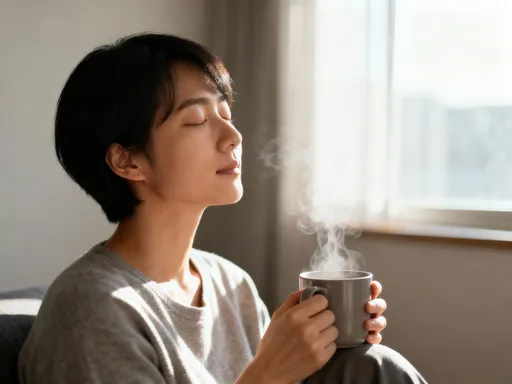
When it comes to building and maintaining strong qi, certain foods stand out for their nourishing and balancing properties. Among the most recommended in TCM is congee—a simple rice porridge cooked slowly with water or broth. Often eaten for breakfast, congee is easy to digest and helps strengthen Spleen qi, making it ideal for those recovering from illness or dealing with chronic fatigue. It can be customized with ingredients like pumpkin, lotus seeds, or lean chicken to enhance its tonic effects. Because it is warm, soft, and soothing, congee acts like a “reset” for the digestive system, allowing the body to redirect energy toward healing and cultivation.
Root vegetables such as sweet potatoes, carrots, parsnips, and burdock are also highly valued. Grown underground, they are considered grounding and stabilizing—qualities that help anchor qi and prevent it from floating or becoming scattered. These vegetables are rich in complex carbohydrates, which provide steady, long-lasting energy without the spikes and crashes associated with refined sugars. When cooked with warming spices like ginger, cinnamon, or turmeric, they become even more supportive of circulation and digestion. Fermented foods, when consumed in moderation and at appropriate times of day, contribute to a healthy gut microbiome, which modern science increasingly recognizes as essential for immune function and mental well-being—areas closely linked to qi in TCM.
Protein intake should be modest and balanced. While animal proteins like chicken, fish, and eggs can be beneficial, especially for those with qi deficiency, they should be consumed in appropriate portions and prepared in digestible ways—steamed, poached, or stewed rather than fried. Plant-based proteins such as lentils, mung beans, and tofu are excellent alternatives, particularly when combined with grains to form complete amino acid profiles. The key is to avoid overloading the digestive system; large, heavy meals can lead to post-meal lethargy, a sign that qi is being diverted to digestion rather than circulation or mental clarity.
Equally important is the manner in which food is consumed. Mindful eating—chewing thoroughly, eating slowly, and expressing gratitude—enhances digestion and deepens the connection between body and food. In TCM, the act of chewing is seen as the first stage of transformation, where the Spleen begins its work. Rushing through meals or eating while distracted weakens this process, leading to incomplete digestion and the formation of dampness. Furthermore, extreme diets—such as prolonged fasting, very low-carb regimens, or excessive raw food consumption—can deplete qi over time, especially in middle-aged or older adults. Balance, not extremism, is the guiding principle. Wellness is not about deprivation but about making sustainable choices that honor the body’s need for nourishment and rhythm.
Timing Matters: When You Eat Affects Your Qi
In traditional Chinese medicine, the body operates according to a 24-hour rhythm known as the organ clock. Each two-hour period is governed by a specific organ system, which reaches its peak activity during that window. This concept has profound implications for meal timing. For example, the Stomach is most active between 7 a.m. and 9 a.m., making this the ideal time for breakfast. Eating a warm, substantial meal during this window supports optimal digestion and sets the tone for sustained energy throughout the day. In contrast, eating late at night—especially after 9 p.m.—forces the digestive system to work during a time when it should be resting, disrupting the natural flow of qi.
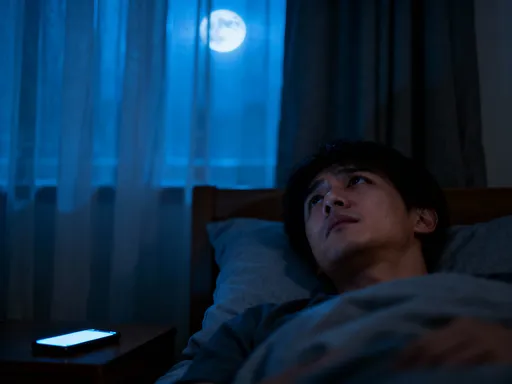
One of the most common issues I see in clinical practice is the habit of eating dinner too late. Many people eat after 8 p.m. due to work, family obligations, or social events. However, the Gallbladder and Liver—organs responsible for detoxification, emotional regulation, and smooth qi flow—are most active between 11 p.m. and 3 a.m. If the body is still digesting food during this time, these organs cannot perform their functions effectively. As a result, individuals may wake up feeling groggy, experience morning irritability, or struggle with hormonal imbalances over time. From a qigong perspective, this disruption weakens the body’s ability to store and refine energy overnight, diminishing the benefits of morning practice.
The ideal eating window, therefore, aligns with the body’s natural metabolic rhythm. Breakfast should be eaten within two hours of waking, lunch should be the largest meal of the day (coinciding with peak digestive fire around noon), and dinner should be light and consumed at least three hours before bedtime. This pattern allows for complete digestion before sleep and supports the Liver’s nighttime cleansing process. For those who struggle with late dinners, even shifting the meal by one or two hours can make a noticeable difference. I worked with a client who consistently ate at 8:30 p.m. due to her schedule. After moving dinner to 6:30 p.m. and having a small warm snack if needed later, she reported deeper sleep, improved morning focus, and greater ease in her qigong practice within two weeks.
Furthermore, avoiding snacks between meals helps prevent digestive overload and allows the stomach to rest. Constant grazing keeps the digestive system in a state of perpetual activity, which can weaken Spleen qi over time. Instead, spacing meals evenly and eating only when genuinely hungry supports metabolic clarity and energy flow. This doesn’t mean ignoring hunger, but rather tuning into the body’s true signals rather than emotional or habitual cues. When meal timing is aligned with the organ clock, digestion improves, energy stabilizes, and qigong practice becomes more effective—because the body is no longer divided between digesting food and cultivating energy.
Customizing Diet Based on Your Qi Type
One of the strengths of TCM is its personalized approach to health. Rather than prescribing a one-size-fits-all diet, it encourages individuals to understand their unique body constitution and adjust their eating habits accordingly. Common patterns seen in clinical practice include qi deficiency, dampness, and internal heat—each with distinct signs and dietary recommendations. Recognizing your pattern is the first step toward creating a diet that truly supports your qigong practice.
Qi deficiency is characterized by fatigue, shortness of breath, weak voice, poor appetite, and a tendency to catch colds easily. Those with this pattern often benefit from warm, cooked, and mildly sweet foods that tonify the Spleen and Lung qi. Examples include rice, oats, squash, carrots, sweet potatoes, and small amounts of lean meat or chicken. Raw, cold, and overly spicy foods should be minimized, as they can further weaken digestion. Herbal foods like red dates, astragalus, and ginseng (used appropriately) can provide additional support, but should be discussed with a qualified practitioner.
Dampness, another common imbalance, presents with symptoms like bloating, heaviness in the body, loose stools, and a coated tongue. It often results from overconsumption of dairy, greasy foods, sugar, and raw vegetables. To clear dampness, it’s important to reduce these foods and focus on warm, light, and drying options—such as barley, adzuki beans, corn, and lightly cooked greens. Cooking with aromatic herbs like basil, coriander, or fennel can also help transform dampness and improve digestion. Avoiding iced drinks and eating regular meals at consistent times further supports the Spleen’s ability to manage fluids.
Internal heat, often linked to stress, lack of sleep, or excessive spicy foods, may manifest as irritability, acne, dry mouth, or night sweats. Cooling foods like cucumber, watermelon, tofu, and mung beans can be helpful, but should be consumed in moderation and preferably cooked to avoid chilling the stomach. Reducing alcohol, coffee, and fried foods is also important. The key is not to suppress heat with extreme cooling, but to restore balance through gentle regulation and lifestyle adjustments. A professional tip: pay attention to how you feel two hours after eating. If you feel energized and clear, the food was likely supportive. If you feel sluggish, bloated, or irritable, it may be worth reconsidering the choice.
Putting It All Together: A Sustainable Daily Routine
Integrating qigong and diet doesn’t require radical change—it’s about creating a harmonious daily rhythm that supports energy flow. A sample routine might begin with a morning qigong session of 20 to 30 minutes, focusing on gentle movements to awaken the body and circulate qi. This is followed by a warm, cooked breakfast such as congee with pumpkin and a small portion of steamed egg. Lunch, eaten around noon, could include a balanced bowl of brown rice, steamed vegetables, and a modest serving of fish or tofu, with a side of miso soup. An afternoon walk or short qigong stretch helps prevent stagnation. Dinner, eaten before 7 p.m., is lighter—perhaps a vegetable stew with a small grain portion—and followed by a period of quiet activity. A final short qigong or breathing practice before bed supports relaxation and prepares the body for restful sleep.
The key to success is gradual change. Rather than overhauling everything at once, start with one meal or one practice. Perhaps begin by replacing a cold breakfast with a warm one, or shifting dinner earlier by 30 minutes. These small shifts, when sustained, lead to lasting transformation. Consistency matters far more than perfection. Missing a meal or skipping a day of practice is not failure—it’s part of being human. What matters is returning to the rhythm with kindness and awareness.
In the end, true wellness arises from synergy. Food fuels the practice, and practice deepens awareness of food. When qigong and diet are aligned, energy flows more freely, the mind becomes clearer, and the body feels more at home. This is not a quick fix, but a lifelong journey of listening, adjusting, and honoring the wisdom of the body. For anyone committed to holistic health, this balanced approach offers a sustainable path forward—grounded in tradition, supported by science, and accessible to all.